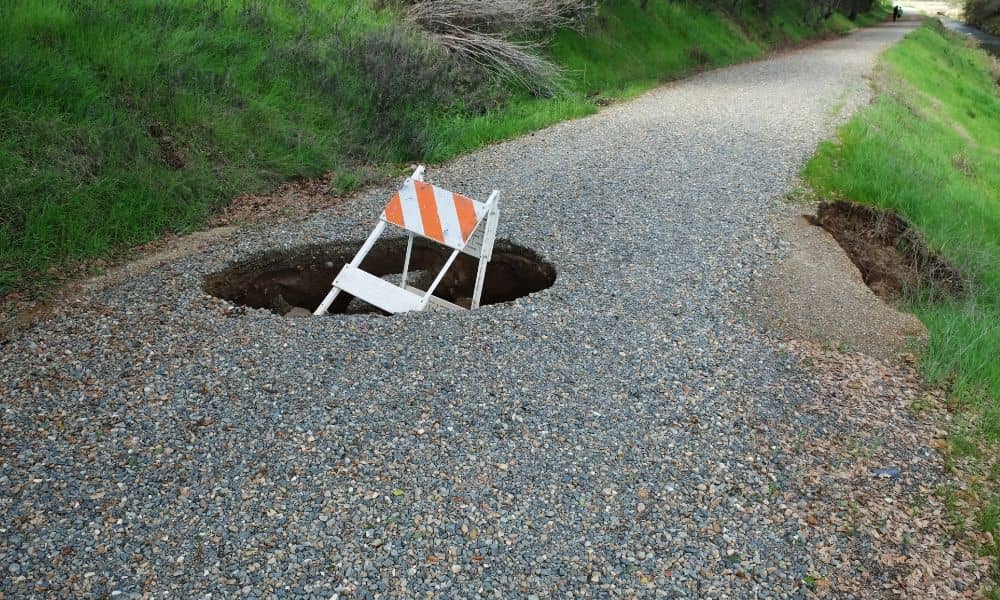
In late September, the city of St. Paul finally reopened West 7th Street after a massive 35-foot sinkhole forced crews to shut it down for months. The collapse happened above an 1879 sewer tunnel, and the fix cost millions of dollars. For many residents, it was a traffic headache. For builders and developers, it was a wake-up call. Hidden conditions underground can stop a project cold. That’s why starting with a due diligence survey isn’t just a good idea—it’s the smart way to keep your investment safe.
The story beneath the pavement
On the surface, West 7th looked like any other busy corridor. But years of water infiltration and shifting soils slowly carved out a void above the old tunnel. When the road finally gave way, it wasn’t just concrete that broke—it was confidence in how “stable” the ground seemed.
This kind of failure isn’t unique to St. Paul. Minneapolis has its own century-old infrastructure, countless utility lines, and flood-prone areas. Any project that digs, builds, or develops in this region carries risk. A due diligence survey pulls back the curtain on those risks before money is spent on permits, crews, or materials.
What a due diligence survey really means
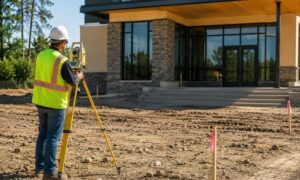
Many people hear “survey” and think only of boundary lines or property corners. A due diligence survey is much more. It’s a complete review of a site to uncover issues that could delay or derail development.
Here’s what it often includes:
- Confirming legal boundaries and easements
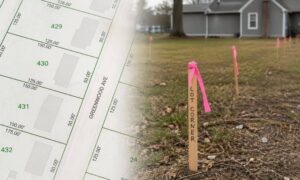
- Checking recorded plats against what’s actually on the ground
- Mapping utilities—both documented and undocumented
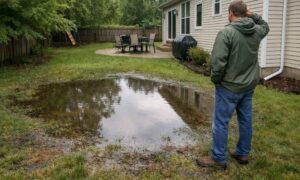
- Reviewing floodplain and stormwater risks
- Identifying encroachments or conflicts with neighbors
In simple terms, it’s like a health check for your property. Instead of waiting for a collapse, a blocked permit, or a neighbor dispute, you know upfront what could go wrong.
Why it matters
If you’re developing, you’re dealing with layers of history. Some neighborhoods sit on top of century-old sewer lines. Others are close to lakes, creeks, or wetlands. Even downtown parcels can hide mismatched as-builts, abandoned pipes, or forgotten easements.
Skipping a due diligence survey is like walking blindfolded into a construction zone. You might be fine—but one wrong step could mean a six-figure problem. For developers, that means costly redesigns and lost time. For buyers, it could mean purchasing land that’s impossible to use the way you planned.
Lessons from the West 7th sinkhole
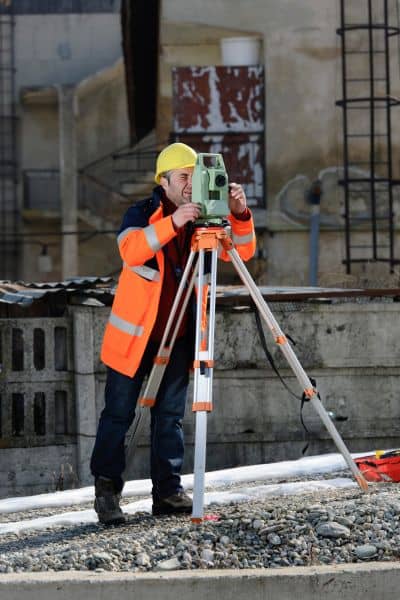
The sinkhole wasn’t caused by sloppy construction. It was the result of underground conditions that went unchecked for too long. That’s the exact scenario a due diligence survey helps prevent.
- Old utilities: Minneapolis still relies on infrastructure from the early 1900s. Without ground-penetrating radar or subsurface utility engineering, you can’t know what lies beneath.
- Stormwater: St. Paul’s tunnel problems were tied to water infiltration. Minneapolis has similar stormwater challenges, especially in low-lying areas.
- As-builts vs. reality: Paper records often don’t match field conditions. A survey confirms what actually exists, not just what’s on file.
These are not abstract risks—they’re real, local, and expensive if ignored.
The hidden costs of ignoring due diligence
It’s easy to think of a survey as another line item in the budget. But skipping it can trigger costs that dwarf the savings. Imagine breaking ground only to hit an unmarked utility. Crews stop. Permits are pulled. Redesigns follow. Each week of delay bleeds money.
Even worse, lenders and insurers may back away once unexpected issues surface. Suddenly, a project that looked solid on paper becomes financially unstable. The fix? A due diligence survey upfront, so surprises stay on paper, not in the field.
What clients want to know
When I sit down with property buyers or developers, their first questions are simple:
- Can I build here without problems?
- Will the city approve my plan?
- Is the site safe for the long term?
A due diligence survey answers those questions with facts, not guesses. It shows where utilities run, where setbacks apply, and whether flood or stormwater issues could trigger extra requirements. Most importantly, it helps developers submit stronger site plans that pass review without endless revisions.
Looking ahead: what the city is planning
St. Paul has already announced more preventative work on old sewer systems, starting in 2026. Minneapolis will likely face similar upgrades. That means more staging, more traffic control, and more coordination near job sites. For builders, that’s one more reason to get a survey early. If you know where conflicts lie, you can schedule work around city projects instead of being blindsided.
The bottom line
The West 7th sinkhole wasn’t just a local inconvenience. It was a reminder that the ground under our feet carries secrets—and those secrets can be costly. For anyone buying, developing, or building, a due diligence survey is the best defense against those surprises.
It’s not just another formality. It’s your safety net. A due diligence survey takes the guesswork out of building, giving you clear facts before you commit time or money. In a city with aging pipes, shifting soils, and strict codes, that peace of mind is priceless.