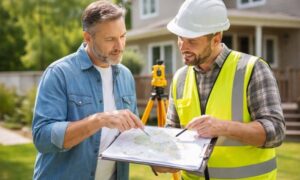
Many homeowners plan small projects outside their homes. Some want to build a new fence. Others want to add a shed or widen a driveway. These projects seem simple at first. However, one small mistake can lead to big problems with neighbors or city rules. That is why it helps to look at a plat of survey before starting any work.
A plat of survey shows the exact layout of a property. It maps the lot lines, buildings, and other important details. In other words, it tells you where your property begins and where it ends. For homeowners planning outdoor projects, learning more about a plat of survey can make it much easier to understand where structures should and should not be placed.
Before building anything near the edge of your yard, it helps to understand what this document shows.
What Is a Plat of Survey?
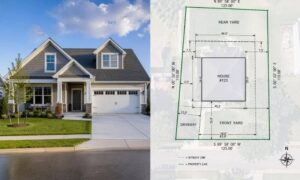
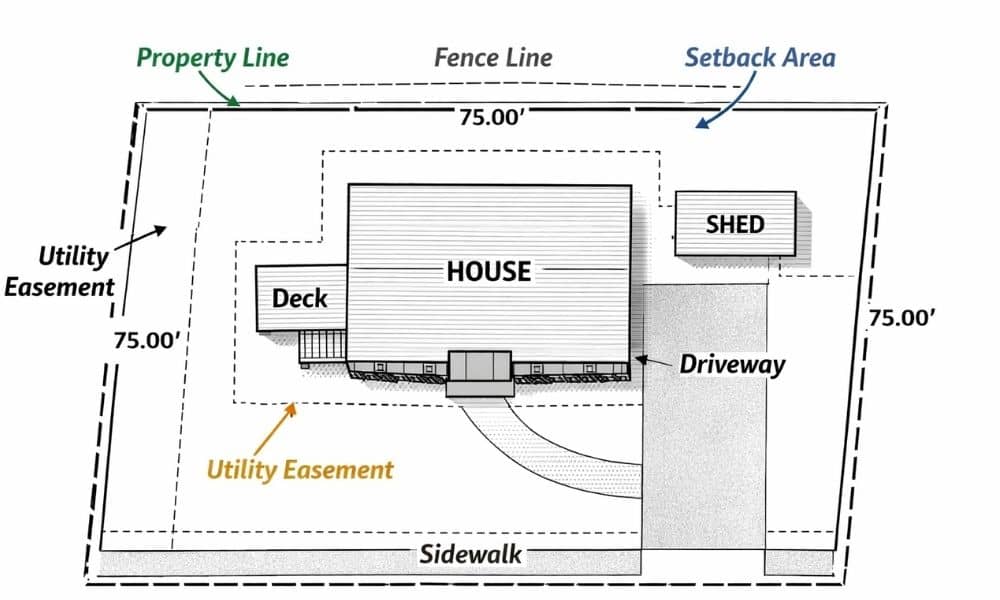
A plat of survey is a drawing made by a licensed land surveyor. It shows the shape and size of your property. It also shows where structures sit on the land.
For example, a plat of survey usually includes:
- Property boundary lines
- Measurements of each side of the lot
- The location of the house
- Garages, decks, and sheds
- Driveways and sidewalks
- Utility easements
Because of this, the plat of survey works like a map of your property.
Many homeowners receive this document during a home purchase. However, over time it often gets buried in closing paperwork or stored away with other records. Later, when a project begins, homeowners start looking for the plat of survey for their property so they can confirm where the boundaries and structures actually sit.
So before installing a fence or shed, it makes sense to review the plat first.
Start by Finding the Property Boundary Lines
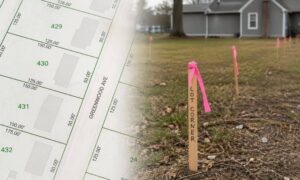
First, look for the boundary lines on the plat of survey.
These lines outline the exact shape of the lot. They also show the length of each side. Most plats include measurements in feet and inches.
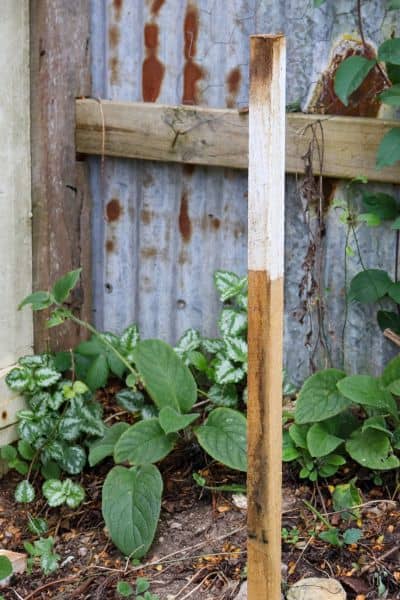
Many people assume their fence shows the true property line. However, that is not always true.
For example, an old fence might sit several inches inside the boundary. In other cases, it may even cross onto a neighbor’s property.
Because of this, the plat of survey helps confirm the real line.
When planning a fence, this step matters a lot. Lots in many city neighborhoods sit close together. Even a small mistake can create tension between neighbors.
Look at Where the House and Structures Sit
Next, check where the structures appear on the plat of survey.
You should see the outline of the house and other buildings on the lot. These may include:
- Detached garages
- Decks or patios
- Existing sheds
- Porches
The plat shows the distance between these structures and the property lines.
This information helps when adding something new.
For example, you might want to install a shed in the backyard. However, if the shed sits too close to the boundary line, it may break city setback rules.
Therefore, the plat gives you a clear view of how much space you really have.
Pay Attention to Easements
Another important detail on a plat of survey is the easement.
An easement is a small section of land that others can use for utilities or services. For example, utility companies may place power lines, water lines, or drainage systems in these areas.
These areas often run along the back or side of a property.
You usually cannot build permanent structures inside an easement.
For instance, placing a shed or fence post inside this space may cause issues later. Utility crews must still access the area when needed.
Because of this, the plat of survey clearly marks these sections.
If you see dashed lines labeled “easement,” pay close attention before building anything nearby.
Check Setback Distances Before Building
Setbacks also appear on many plats.
A setback is the minimum distance a structure must sit away from a property line.
Cities create these rules to keep space between buildings.
For example, Minneapolis may require sheds or garages to stay several feet away from lot boundaries.
Without checking the plat of survey, homeowners may guess where the structure should go. Unfortunately, guessing often leads to mistakes.
Instead, the plat helps you measure space more accurately.
That way, your fence, shed, or driveway extension stays within the allowed area.
Understand Why Fence Projects Cause the Most Problems
Fence projects create many property disputes.
Many homeowners simply follow the path of an old fence. However, the old fence may not sit on the real boundary line.
As a result, the new fence may cross onto the neighbor’s property.
Even a few inches can create a conflict.
Sometimes neighbors notice the issue right away. Other times the problem appears years later during a home sale.
Because of this, many fence contractors ask for a plat of survey before installing a new fence.
The document helps confirm the boundary before construction begins.
Therefore, reviewing it first protects both homeowners and neighbors.
Driveway Expansions Can Also Cross the Line
Driveway projects may also cause problems.
Some homeowners want to widen their driveway to add parking. This change may seem small. However, concrete often reaches close to the property line.
Without checking the plat of survey, the driveway may extend beyond the boundary.
In addition, driveway expansions can affect drainage or easement areas.
So reviewing the plat helps avoid costly changes later.
It also helps contractors plan the correct width and placement.
Common Mistakes When Reading a Plat of Survey
Although a plat of survey looks simple, people often misunderstand it.
One common mistake is assuming the fence shows the boundary. As explained earlier, this is not always true.
Another mistake involves reading the scale incorrectly. Measurements on the drawing may look small but represent larger distances on the ground.
Homeowners also ignore easements or setbacks. Later, when construction begins, they realize the space is smaller than expected.
Because of this, taking a few minutes to study the plat can save a lot of trouble.
When a Licensed Land Surveyor Can Help
Sometimes an old plat of survey may not answer every question.
For example, property markers may sit underground or become hard to find over time.
In other cases, a property owner may not have a copy of the plat at all.
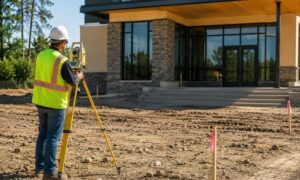
When this happens, a licensed land surveyor can help.
A surveyor can locate property corners, confirm boundary lines, and provide updated documents.
This step becomes especially helpful before building structures near the edge of a property.
A Plat of Survey Helps Prevent Expensive Mistakes
Outdoor projects should improve your home, not create problems.
Before building a fence, shed, or driveway, take time to review your plat of survey.
The document shows where the boundaries sit. It also reveals structures, easements, and setbacks that affect your plans.
Because of this, it helps homeowners build with confidence.
Most importantly, it helps avoid disputes, permit issues, and costly repairs later.
So before starting your next backyard project, pull out the plat of survey and take a closer look. It may be the most helpful tool you have.