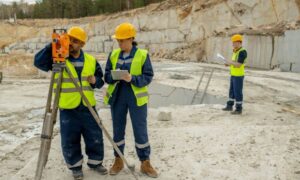
Construction surveys are a normal part of any building project. Crews mark corners, set control points, and guide builders so everything sits exactly where it should. But after a recent roadside fatality involving a surveyor, people across the construction industry are taking a hard look at how these surveys are done—and what needs to change moving into 2025.
The incident shocked many crews. A 44-year-old Minneapolis surveyor was struck and killed by a vehicle while working near a busy roadway, according to reports from KROC-AM and the Star Tribune. It was the kind of tragedy that many in the field fear but hope will never happen. Sadly, it reminded everyone that surveying is not just technical work—it can also be dangerous, especially in active construction zones.
As Minneapolis continues to grow, more surveyors work in tight, high-traffic areas. New apartment buildings, mixed-use developments, and road projects fill neighborhoods like Uptown, Northeast, and the North Loop. Because of this growth, surveyors often stand close to moving cars, large equipment, and distracted drivers. After this fatal accident, crews and companies across the Twin Cities are rethinking their approach to safety.
Why Construction Surveys Come With Real Risk
Many people outside the industry don’t realize how often surveyors are placed in harm’s way. During construction surveys, crews set stakes for utilities, mark where foundations go, and confirm grades or alignments. Much of that work happens along roads, near traffic, or next to heavy equipment. One small mistake—on the driver’s side or the crew’s side—can lead to disaster.
Minneapolis makes this even harder. The city has dense streets, limited work zones, and constant vehicle flow. Drivers weave around cones. Some look at their phones. Others speed past workers without thinking twice. When surveyors set up tripods or take measurements, they may only be a few feet from danger. That is why the recent fatal crash has become a wake-up call.
Safety Protocols Are Changing Fast
After the incident, many surveying firms started reviewing their safety rules. They want to make sure something like this never happens again. In 2025, new protocols are becoming the norm.
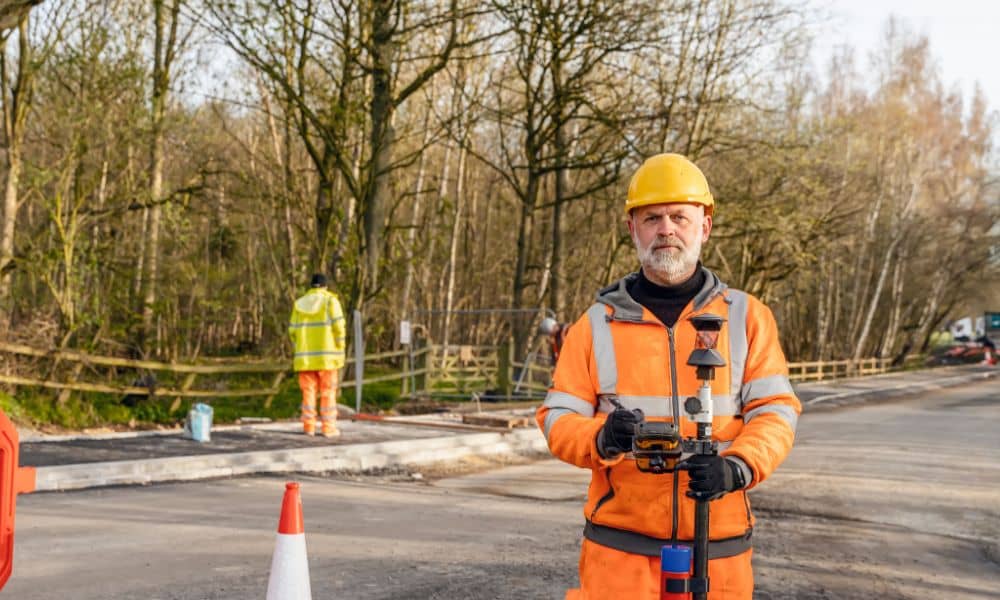
Surveyors are now using more high-visibility gear, stronger reflective technology, and improved traffic-control setups. These setups include warning signs, cones, and barriers that alert drivers and equipment operators much earlier. Many crews also rely on spotters who watch for cars and machinery while surveyors focus on measurements. In addition, survey teams and general contractors now hold pre-site safety meetings before any staking begins.
Some companies use escort vehicles for work along narrow roads. Others no longer allow crews to work in zones without proper traffic control. These changes may add a few minutes to the workflow, but they protect lives and keep projects running.
Why Developers and Contractors Should Care
Many developers think construction surveys are quick tasks. A crew comes out, marks points, and the project keeps moving. But after this fatal accident, the process carries more weight.
Here’s the part that matters most: if a surveyor feels unsafe, the job stops. This can shift your project timeline by days or even weeks. If a surveyor gets injured, the site might shut down while OSHA investigates. That can lead to insurance claims, delays, and extra costs.
Safety is now tied directly to scheduling. Developers and contractors who understand this will stay ahead. Those who ignore it may deal with avoidable setbacks.
What Developers Can Expect in 2025
Moving forward, developers will notice more surveyors asking for traffic control before staking begins. Crews may request slight schedule changes so they can work during safer times of day. Some may refuse to work in certain locations until the site clears equipment or blocks off a lane.
Survey firms also want clearer communication from general contractors. They expect updated site maps, hazard lists, and coordination with equipment operators. This is not about being difficult. It’s about protecting workers who stand only a few feet from moving vehicles and machines.
A surveyor’s job already requires intense focus. When cars or trucks rush by, that focus breaks. That is when accidents happen. So when surveyors push for more safety steps, it helps the entire project.
Technology Is Helping Reduce Danger
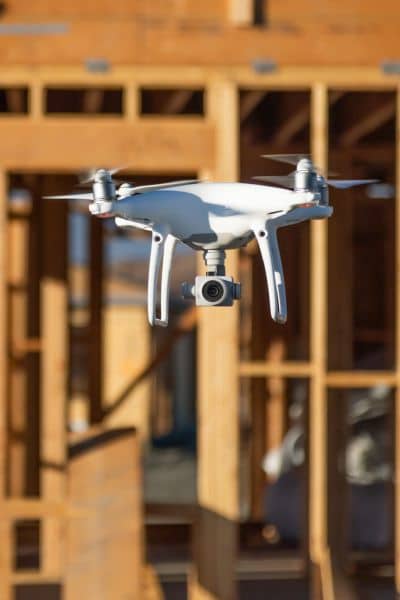
One positive outcome of this tragedy is the push for better tools that keep surveyors out of high-risk areas. More firms now use drones to scan corridors, job sites, and earthwork zones from above. Drones capture data quickly without placing crews near traffic.
Robotic total stations also play a big role. These systems let a single surveyor stand farther from active equipment while the robot handles the aiming and measuring. GNSS and RTK GPS systems help crews finish faster, which reduces the time they spend in hazardous spots. Some companies even use remote sensors to track movement on structures without needing daily site visits.
These technologies lower risk while improving efficiency, which benefits both builders and surveyors.
Urban Development Brings New Safety Pressure
Minneapolis continues to grow with new buildings and redevelopment throughout the city. Streets stay busy. Work zones stay tight. Delivery trucks, residents, and subcontractors all move through the same spaces. Survey crews must work inside these cramped areas while staying alert to everything around them.
In neighborhoods like Dinkytown, North Loop, Uptown, and Downtown East, construction surveys often happen on sidewalks, alleyways, or narrow road edges. Because of this, survey work now requires stronger coordination between crews and contractors. Equipment may need to pause for a few minutes. Workers may need to shift positions. Small changes like these help prevent accidents.
How Developers Can Support Safer Surveys
Developers who adjust quickly will see smoother projects. You can help survey crews stay safe—and keep your timeline on track—by sharing site plans early, communicating hazards ahead of time, and offering traffic control when needed.
Pausing heavy equipment for a short time while surveyors move through the site can prevent serious injuries. Scheduling surveys during lower-traffic hours also reduces risk. Encouraging the use of drones or robotic equipment helps surveyors work faster and safer.
Every small step creates a safer project for everyone involved.
Final Thoughts
The recent Minnesota fatality shook the construction community. It reminded everyone that survey crews face real danger every day. As Minneapolis continues to grow, safety must become a shared focus—not just for surveyors, but for developers, contractors, and everyone on site.
A construction survey guides every structure we build. It shapes roads, foundations, utilities, and buildings. When surveyors stay safe, projects run better and faster. In 2025, a safety-first approach isn’t optional—it is the new standard.
If you’re starting a project, choose a surveyor who takes safety seriously. It protects your team, your timeline, and your investment.