
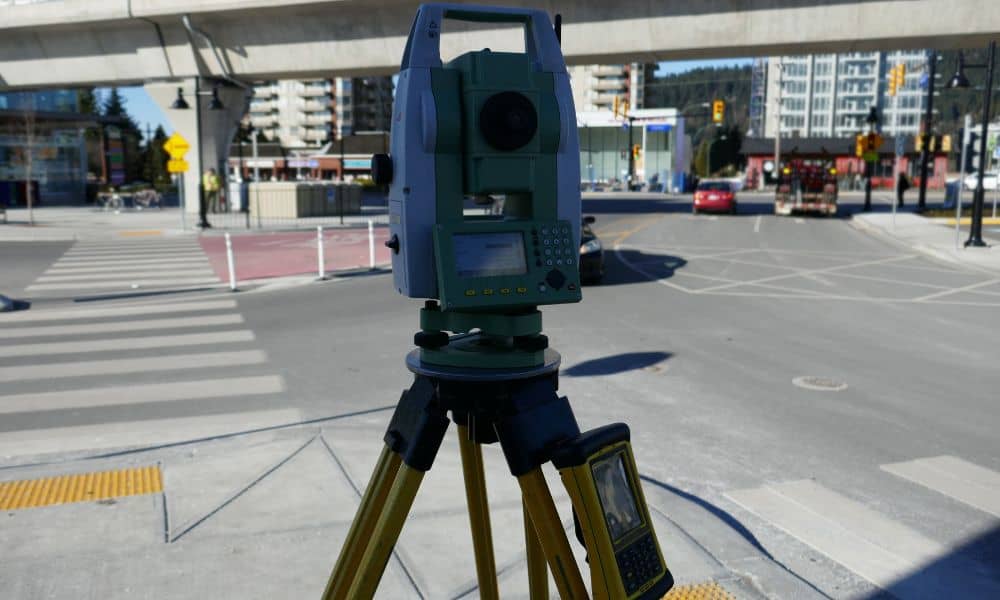
If you’re converting a property, you should start with a boundary line survey. That’s true whether you’re working on a new build, a temporary site, or a redevelopment project. Recently, a business owner on Lake Street transformed a cleared lot into a hygiene and outreach hub. The idea sparked conversations about community use, quick development, and the need for proper planning. But before anything happens a lot—no matter how temporary—it’s critical to know exactly where your property begins and ends.
In a dense corridor like Lake Street, parcels are narrow, alleys are shared, and city setbacks can be unforgiving. Skipping a survey and moving straight into construction or setup can lead to big problems later.
Why this matters for fast-moving projects
Think about what happens when a vacant property suddenly becomes active again. Maybe the new use includes portable restrooms, walkways, storage containers, or utility hookups. These changes seem simple, but they can easily cross a property line, extend into a right-of-way, or block access meant for others. Once that happens, you’re dealing with permit violations and possible legal disputes.
Lake Street is a perfect example. The corridor is tightly packed, with older lots, irregular shapes, and decades of mixed property improvements. It’s not uncommon for fences or driveways to sit a foot or two off from their legal lines. Without a professional survey, even well-intentioned development can drift into risky territory.
How a boundary line survey protects your project

When you order a boundary line survey, you’re not just getting a few corner points marked. You’re getting a precise snapshot of your property’s legal footprint. It defines the true edges of ownership and clarifies how your site interacts with streets, alleys, and neighboring parcels.
Here’s what that means in practice:
- You’ll know exactly where temporary or permanent structures can go.
- You’ll avoid conflicts with neighboring properties or city easements.
- You’ll have verified data for site planning, grading, and access routes.
- You’ll be ready for city review or inspections without last-minute changes.
For fast-turn projects like pop-up centers or redevelopment sites, that information keeps timelines on track. Instead of reacting to city corrections later, you can design confidently from day one.
The cost of skipping the survey
Developers sometimes assume they can rely on county maps or a title sketch. But those documents don’t show real-world accuracy. A few feet off on paper might mean your fence, ramp, or equipment pad sits inside a neighbor’s parcel. Once the mistake appears, it’s not easy—or cheap—to fix.
Imagine this: you install modular units on a site, only to discover one corner overlaps a utility easement. You’d need to remove and reposition it, pay new permit fees, and delay your project. Or picture setting up an ADA ramp that extends slightly into an alley. A city inspector notices, and your occupancy approval halts until you correct the encroachment. These problems are completely avoidable with a verified boundary line survey before you start.
Why even temporary sites need precision
Some developers think short-term or humanitarian uses are exempt from strict site planning. They’re not. Minneapolis still enforces safety, accessibility, and land-use codes for temporary structures. A clear survey ensures that ramps, walkways, and units stay within legal limits while keeping access routes open for pedestrians and vehicles.
It also helps coordinate with other professionals—engineers, utility locators, and planners—who rely on accurate property data. Without it, you could create drainage issues or block underground service points. Even if the project lasts only a few months, the boundaries remain permanent. It’s smarter to respect them from the start.
Why Minneapolis makes this especially important
Urban areas like Lake Street add layers of complexity. Lot lines can shift slightly after years of redevelopment. Old fences or retaining walls may not reflect true boundaries. And when parcels are small, even a few inches matter. A surveyor familiar with the grid understands how to locate monuments, confirm deed calls, and tie your lot to official city records.
Another factor is community sensitivity. Lake Street has gone through years of revitalization and redevelopment. Property lines often overlap public interests like sidewalks, bike paths, and right-of-way access. A professional boundary line survey helps developers prove that their improvements stay compliant, respectful, and legal.
How surveyors help the process run smoothly
A licensed land surveyor doesn’t just hand you a map—they interpret how those boundaries affect your design. They may point out an encroaching fence, highlight an unrecorded easement, or mark a setback that limits structure placement. That kind of insight saves you time and helps avoid surprises during the permit review.
In fast-paced projects, surveyors often coordinate with engineers to overlay topography, drainage, or construction staking data. That collaboration ensures the final site layout aligns perfectly with the legal boundary. The result: a build that’s safe, compliant, and ready for inspection.
Lessons from Lake Street
The Lake Street redevelopment shows how even small community projects depend on solid groundwork. What looks like a quick setup still involves zoning, utilities, and access design. When property lines are unclear, projects can stall or lose public trust. But with a verified boundary, the same site can move forward smoothly—supporting both community goals and legal requirements.
Boundaries aren’t barriers; they’re guardrails. They keep the project safe, predictable, and transparent. And in a busy corridor like Lake Street, that clarity benefits everyone—from developers and neighbors to city planners and the people using the site.
Final thoughts
Every project, big or small, begins with knowing the ground beneath it. In Minneapolis, where parcels are compact and regulations strict, a boundary line survey is the first tool you should reach for. It gives you confidence to design, build, or repurpose land without worrying about encroachment or delays.
Pop-up sites and fast developments may seem flexible, but the rules around them aren’t. The smartest move is to confirm your boundaries before the first stake goes in. Do that, and you’ll save time, avoid disputes, and protect your investment—all while keeping your project on the right side of the line.