Flooding is becoming a bigger problem in many places. Cities face stronger storms, rising water levels, and aging drainage systems. Many systems struggle during heavy rain. Because of this, governments need better ways to understand land and predict how water moves across it. One technology helping with this is lidar mapping.
Across many regions, public agencies now invest in lidar mapping to create accurate land data. This data helps planners see small changes in elevation. Older maps often miss these details. Because of this, engineers can study flood risk more clearly. They can also design infrastructure that protects communities.
Developers, engineers, and property owners also benefit. When better land data becomes available, projects start with stronger information. Teams can study terrain, drainage, and flood risk earlier in the process.
Why Climate Planning Needs Better Elevation Data
Flood risk depends on elevation. Even a small change in ground height can affect how water flows across land. However, many older maps do not show enough detail.
Because of this, governments now focus on high-resolution elevation data. With lidar mapping, agencies collect detailed terrain models across large areas. These models show small slopes, drainage paths, and low spots. Older maps often miss these features.
Climate conditions are also changing. Cities must prepare for heavier rain and stronger storms. Rivers may also rise higher during extreme weather.
Accurate land data helps planners see which areas may flood. It also shows which places may be safer for development. Because of this, lidar mapping supports better planning decisions.
How LiDAR Mapping Works
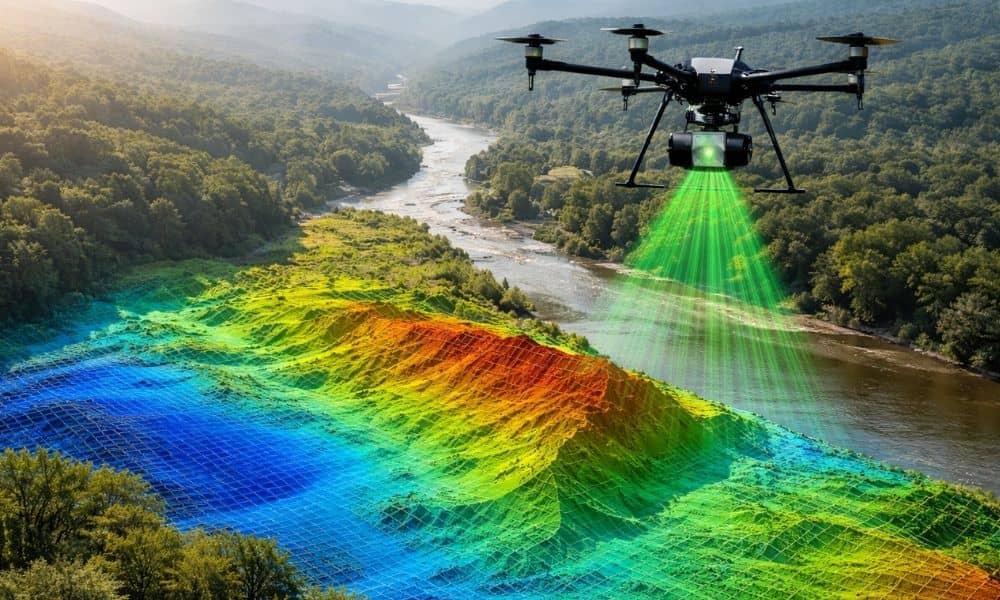
LiDAR stands for Light Detection and Ranging. The technology measures land elevation with laser pulses.
The system sends laser pulses toward the ground. It measures how long the light takes to return. Each pulse records a measurement.
These pulses collect thousands of measurements every second. Software then turns those measurements into a terrain model.
The result is a digital elevation model, often called a DEM. This model shows the shape of the ground surface.
Unlike many older mapping methods, lidar mapping can also measure the ground under trees. Vegetation does not hide the terrain. Because of this, engineers can study land more accurately.
This makes lidar mapping useful in forests, river corridors, and undeveloped areas. For this reason, lidar mapping plays an important role in flood studies and watershed planning.
Why Governments Are Expanding LiDAR Programs
Many governments now treat elevation data as critical public information. In the past, mapping projects often covered small areas. Today, agencies want to map entire regions. Some programs even map entire countries.
Large lidar mapping programs create consistent elevation datasets. Many agencies can use the same terrain data.
Transportation departments may use the data for road planning. Environmental agencies use it for watershed studies. City planners rely on it for development planning.
Shared data makes coordination easier. Agencies can study flood risks with the same information. They can also design stronger infrastructure.
Because of this, lidar mapping is becoming a core tool for climate planning.
Flood Modeling Needs Accurate Terrain
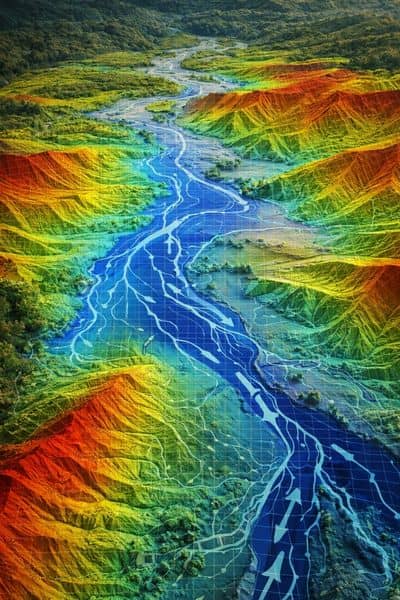
Flood prediction depends on terrain data. Water always flows downhill. Even small changes in elevation affect where flooding occurs.
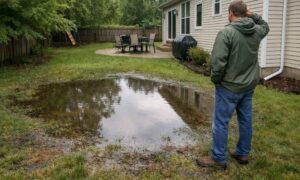
Engineers often study detailed terrain data to understand how water may move across land during major storms. This is where lidar mapping for flood planning becomes especially useful, because it helps reveal subtle elevation changes and low areas where water may collect.
This information improves floodplain maps. It also helps engineers design better stormwater systems.
Communities can also prepare for flood events earlier. Many flood models now rely on lidar-based elevation data.
Because of this, lidar mapping has become an important tool for flood risk planning.
Why Developers and Property Owners Care About LiDAR Data
Government lidar programs also help private projects.
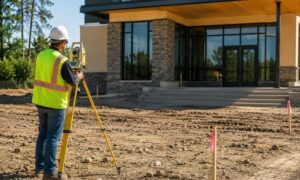
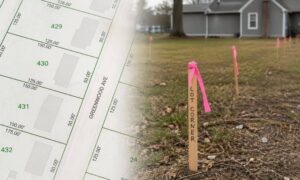
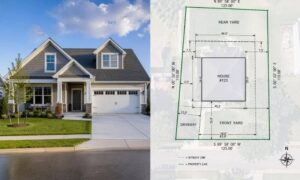
Developers need accurate land information before construction begins. In many cases, this information comes from professional land surveying and mapping services, which provide the elevation data engineers use to study drainage patterns and slope conditions. This data also helps identify possible flood risks.
For example, a site may appear flat on older maps. However, lidar mapping may reveal small slopes. These slopes may affect grading or drainage design.
With better elevation data, project teams can study land conditions earlier in the planning process. Engineers can design roads, drainage systems, and building layouts that fit the terrain.
Because of this, lidar mapping provides valuable insight for both public and private projects.
Helping Infrastructure and Watershed Planning
Infrastructure systems depend on terrain. Roads, storm drains, culverts, and bridges must work with natural water flow.
LiDAR mapping allows engineers to study entire watersheds. This view shows how land in one area affects flooding in another.
For example, runoff from new development may increase water flow into nearby creeks. It may also affect drainage systems downstream.
Accurate terrain models help engineers predict these impacts. They can then design solutions to reduce flood risk.
As cities grow, this type of planning becomes more important. Because of this, many infrastructure projects use lidar mapping during planning.
Environmental Monitoring and Land Protection
Governments also use lidar mapping to study natural landscapes. The technology helps agencies monitor rivers, wetlands, forests, and coastal areas.
Lidar models show terrain in great detail. Planners can detect erosion or shifting riverbanks. They can also observe shoreline changes.
This information helps protect natural environments. It also supports better environmental planning.
Scientists also use lidar mapping to study how storms affect ecosystems. By combining elevation data with environmental studies, agencies can protect natural areas while planning new development.
The Future of Climate-Ready Land Planning
Climate risks continue to increase. Because of this, accurate land data is becoming more important.
Communities must understand how land, water, and infrastructure interact during extreme weather.
LiDAR mapping provides the terrain models needed for this work. Governments now recognize that better elevation data improves flood protection.
Developers and engineers also rely on this data. They use it to study land before starting projects.
Because of these benefits, lidar mapping will continue expanding across many regions. In the future, it will likely become a standard tool for climate planning and land development.
Clear land data helps communities prepare for the future. With lidar mapping, governments gain the information they need to plan safer cities, stronger infrastructure, and more resilient landscapes.