
Why You Need a Land Survey Before Buying Property

 Snow-covered homes in a Minneapolis neighborhood, highlighting the need for a land survey before buying residential property.

Buying property is a big decision. If you’re thinking about buying a home or land in Minneapolis, getting a land survey before you close the deal is a smart move. A land survey helps you know exactly what you’re buying—and helps avoid costly problems later.

What Is a Land Survey?

A land survey is a map that shows the exact borders of a property. This kind of property boundary inspection is performed by a licensed professional called a land surveyor. The survey identifies where your land begins and ends, what buildings are on it, and whether anything crosses over into someone else’s land. It helps you understand exactly what you’re buying and ensures there are no surprises later.

Is a Land Survey Required in Minneapolis?

Sometimes a survey is required by banks, mortgage companies, or title companies. They want to make sure there are no boundary problems. Even if it’s not required, getting a land survey in Minneapolis is a smart idea. In older neighborhoods or busy areas, property lines may be unclear. A survey helps protect you.

Problems a Land Survey Can Help You Avoid

Without a survey, you could face problems like:

  • Arguing with neighbors about fences or driveways
  • Accidentally building on land you don’t own
  • Finding out later that part of your land is used by a utility company (easement)
  • Learning that your neighbor’s garage or shed is on your land (encroachment)
  • Breaking city rules if you build too close to a border (setback issues)

Types of Land Surveys You Might Need

There are different kinds of land surveys depending on what you need. These types of professional property mapping services help you choose the right survey for your situation.

  • Boundary Survey: Shows the borders of the property
  • ALTA Survey: Often used for commercial property deals
  • Topographic Survey: Shows hills, slopes, and other features of the land
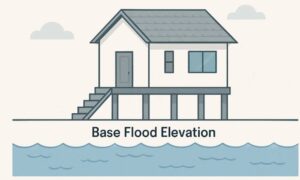
  • Elevation Certificate: Needed for flood insurance in low or wet areas

Things to Know About Minneapolis

Minneapolis has many older neighborhoods and lake areas. Some property lines are unclear or outdated. Also, areas near water may have special rules. In the winter, frozen ground or snow can delay surveys. It’s best to plan ahead and talk to a local surveyor early in the process.

How Much Does a Land Survey Cost in Minneapolis?

A land survey in Minneapolis usually costs between $400 and $1,200. The price depends on:

  • The size and shape of the property
  • How many trees or buildings are on it
  • What kind of survey you need
  • How easy it is to find old records

While it costs money, a survey can save you from big problems and legal costs later.

Final Thoughts

A land survey gives you peace of mind. It shows exactly what you’re buying and protects you from future surprises. In a city like Minneapolis, where some areas are old or busy, it’s even more important.

Before you buy, make sure you get a land survey—it’s a small step that can protect your big investment.


author avatar
Surveyor

More Posts

Basement water damage in a home caused by frozen pipes and ice dams during a deep winter freeze, leading homeowners to request an elevation certificate
flood damage
Surveyor

Why Homeowners Suddenly Need an Elevation Certificate

This week’s deep freeze did more than burst pipes and overload sump pumps. Across Minneapolis, many homeowners fixed their water damage, cleaned their basements, and tried to move on. However, some later received an unexpected message. Their lender or insurance company suddenly asked for an elevation certificate. For many people,

Read More »
Aerial survey drone capturing terrain and boundary data across a large open property
land surveying
Surveyor

What a Wildlife Aerial Survey Reveals About Survey Accuracy

Minnesota recently launched a new wildlife monitoring effort that uses aerial survey technology to track animal movement and habitat conditions across large areas of land. At first glance, this may sound like a project meant only for biologists. However, the tools and methods behind this work say a lot about

Read More »
Aerial view of dense urban commercial properties showing why an ALTA Survey is critical for managing risk in high-value real estate transactions
alta survey
Surveyor

Why an ALTA Survey Is a Risk Tool in Urban Property Deals

Urban real estate deals move fast. Prices are high, competition is tight, and pressure builds quickly once a property goes under contract. Because of that speed, buyers often rely on assumptions. They trust what they see in marketing materials, seller statements, and title documents. However, in dense urban areas, those

Read More »
Diagram showing how a FEMA elevation certificate compares a home’s height to the base flood elevation
flood damage
Surveyor

When a FEMA Elevation Certificate Removes Flood Insurance

If you own a home and your lender says flood insurance is required, you may feel stuck. The good news is that a fema elevation certificate can sometimes change that outcome. In the right situation, this document can show that your home sits higher than the risk level shown on

Read More »
Surveyor verifying site control for an ALTA survey on a commercial construction project
alta survey
Surveyor

GPS Spoofing Can Break an ALTA Survey (Here’s the Fix)

If you plan a commercial closing, you want clean facts, not surprises. That’s why people order an alta survey. It supports a deal with clear, defensible field data. Yet there’s a modern twist most buyers never consider. Many survey crews use GNSS (the satellite signals behind GPS) for parts of

Read More »
Surveyors using equipment at a construction site while performing a property survey during early project planning
boundary surveying
Surveyor

2026 Slowdown: Why You’ll Need a Property Survey First

Builders, homeowners, and developers are preparing for a different kind of year. Recent reports from the Associated General Contractors of Minnesota show that confidence for 2026 is dipping. Contractors feel pressure from rising wages, higher material prices, and a growing worker shortage. Because of these changes, many people planning new

Read More »