You’re ready to build a garage. Maybe you want more space, or maybe your old one needs an upgrade. You look at your yard and think, “There’s enough room right by the lot line.” It seems simple. However, this is where many homeowners run into trouble. In Minneapolis, lots can be tight. Many homes have alleys, older layouts, and unclear boundaries. Because of that, guessing your property line can lead to big problems especially when you’re planning something like a garage before building near your property line. That’s why a property line survey matters before you build.
Why Garage Projects in Minneapolis Can Get Tricky
Minneapolis neighborhoods have charm. However, they also have quirks.
Many homes sit on smaller lots. Also, detached garages are common, often placed near alleys or at the back of the property. Because space is limited, homeowners try to build as close to the edge as possible.
That makes sense. You want to use every inch of your land.
But here’s the issue: What looks like your boundary may not be your real boundary.
Old fences, worn-out markers, and uneven land can fool you. Even worse, some lots are not perfect rectangles. So while your yard may look straight, the actual line could shift a few feet.
And when you build near that line, even a small mistake can cause major headaches.
What a Property Line Survey Actually Does
A property line survey gives you clear, exact answers.
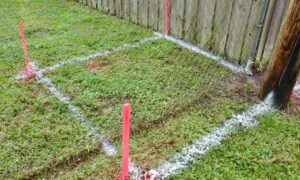
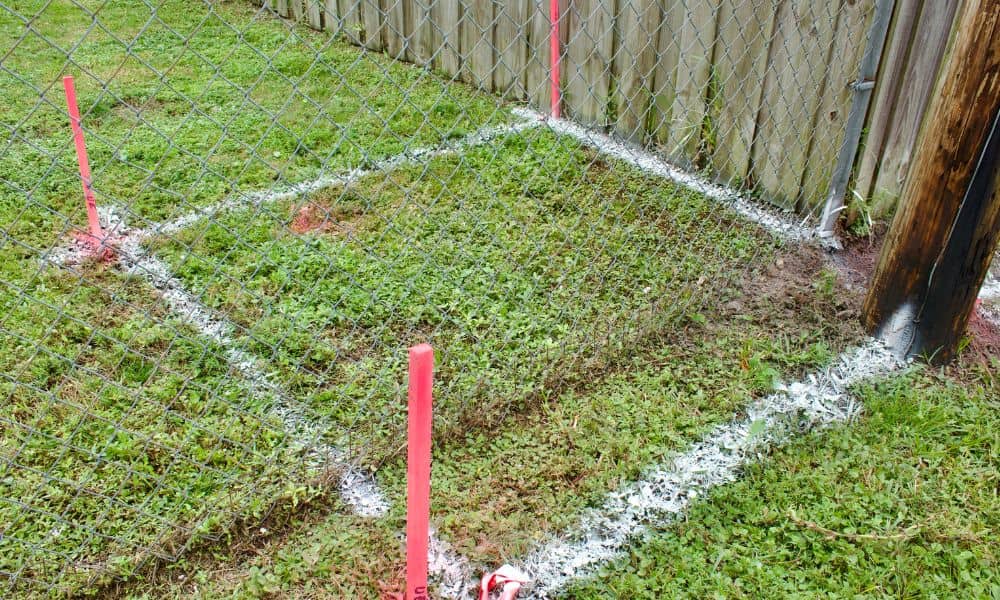
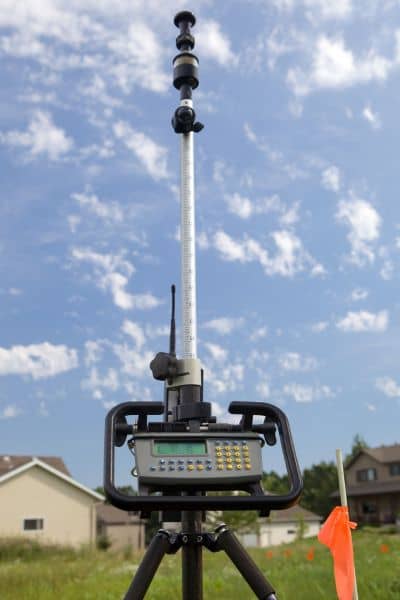
A licensed land surveyor visits your property. Then, they measure the land using professional tools. After that, they mark the true corners and boundaries.
So instead of guessing, you know:
- Where your property starts and ends
- How far your garage will sit from the lot line
- Whether anything already crosses the boundary
This matters a lot when building a garage. Even a few inches can make a difference. So while online maps may look helpful, they are not accurate enough for construction.
With a survey, you remove doubt and can move forward with confidence, instead of second-guessing things or realizing too late that you should have taken the time to book a property line survey before starting.
Why Setbacks Matter for Garage Placement
Now let’s talk about setbacks.
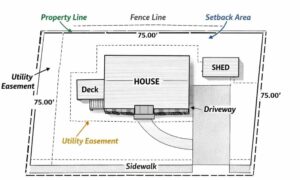
A setback is the space you must leave between your structure and your property line. In Minneapolis, local rules require certain distances for garages, especially in side and rear yards.
Because of that, you cannot just build right up to the edge.
For example, if your setback requires a few feet of space, your garage must stay within that limit. If you build too close, the city may stop your project.
That’s where a property line survey becomes critical.
It helps you measure from the correct boundary—not from a guess. So you can design your garage the right way from the start.
What Can Go Wrong Without a Property Line Survey
Skipping a survey may seem like a way to save money. However, it often costs more in the long run.
Here’s what can happen:
First, your garage might sit too close to the lot line. If that happens, your permit may get denied. Then you must change your plans.
Second, your structure could cross into your neighbor’s property. That creates conflict right away. In some cases, you may need to move or remove part of the garage.
Third, your contractor may build based on wrong assumptions. That leads to delays, rework, and added costs.
Finally, inspections can fail. And when that happens, everything stops.
So while a survey takes time upfront, it prevents bigger problems later.
When You Should Get a Property Line Survey
Not every project needs the same level of planning. However, when it comes to garages near boundaries, a survey is a smart move.
You should get a property line survey if:
- You are building a new detached garage
- You are expanding an existing garage
- Your garage will sit close to the edge of your lot
- You are unsure where your property corners are
- Your lot has an unusual shape
Also, if your home is older, your boundary markers may not be easy to find. In that case, a survey helps you start fresh with accurate data.
How a Property Line Survey Helps Your Contractor
Your contractor needs clear information.
Without a survey, they rely on rough estimates. That increases the risk of errors.
However, with a property line survey, they get exact reference points. They know where to place the foundation. They also know how to keep the structure within legal limits.
As a result, the build goes smoother.
There is less guesswork. There are fewer delays. And the final result matches your plan.
Property Line Survey Cost vs. Garage Risk
You may wonder about cost.
A property line survey depends on factors like lot size, shape, and location. However, compared to building a garage, the cost is small.
Think about it this way:
A garage project can cost thousands. If something goes wrong, fixing it can cost even more. You might need to redesign, rebuild, or move part of the structure.
On the other hand, a survey helps you get it right the first time.
So instead of seeing it as an extra expense, think of it as protection.
Why Hiring a Licensed Land Surveyor Matters
Not all measurements are equal.
A licensed land surveyor has the training and tools to do the job correctly. They understand local rules. They also know how to handle older properties and tricky layouts.
Because of that, their work holds up during permits, inspections, and future projects.
So when accuracy matters—and it does—you want a professional on your side.
Final Thoughts: Build Smart Before You Build Big
Building a garage is a big step. It adds value, space, and function to your home.
However, building near a lot line brings risk.
That’s why a property line survey matters.
It gives you clear answers. It helps you follow local rules. And most importantly, it protects your investment.
So before you start digging or framing, take one smart step first.
Know your boundaries. Then build with confidence.