If you’re buying a house, you might never expect a neighbor’s fence or deck to cross your lot line. But lately, social media is full of stories showing this exact nightmare. Homebuyers are discovering, right before closing, that they don’t “own” quite what they thought. That’s where drone surveying comes in—offering sharp visuals that prevent or clarify boundary surprises before they turn into costly disputes.
1. The boundary horror stories everyone’s talking about
Across homeowner forums and Reddit communities, more and more people are sharing the same sinking feeling: their new survey shows something’s off. One buyer learns that a neighbor’s driveway crosses into their lot. Another finds that a fence or shed sits several feet beyond the legal boundary. Some sellers even refuse to fix the issue, delaying the sale or killing the deal altogether.
These stories resonate because they could happen to anyone. You save for years, find the perfect home, and then—boom—a survey reveals an encroachment. Suddenly, excitement turns into confusion, legal paperwork, and uncomfortable conversations with neighbors.
2. Why encroachments keep catching buyers off guard
How do these problems happen in the first place? It usually comes down to outdated information and assumptions.
Old surveys don’t tell the whole story. Many properties still rely on plats or subdivision surveys from decades ago. Over time, fences, driveways, and additions shift slightly or get rebuilt, often without a new survey.
Visual lines can deceive. Homeowners assume the tree line or the neighbor’s fence marks the edge, but property lines aren’t always obvious on the ground.
Closings move fast. By the time a new survey arrives, buyers have already invested emotionally and financially. When something’s wrong, it feels like the rug is pulled out from under them.
And then comes the hardest question: Who pays to fix it? Buyers, sellers, title companies, and attorneys all have opinions—but no one wants the bill.
3. Drone surveying as a boundary truth-teller
Traditional surveys are essential, but they’re sometimes hard for non-experts to visualize. That’s where drone surveying changes the game.
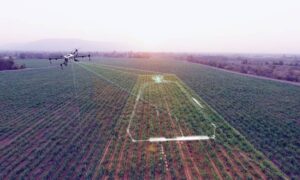
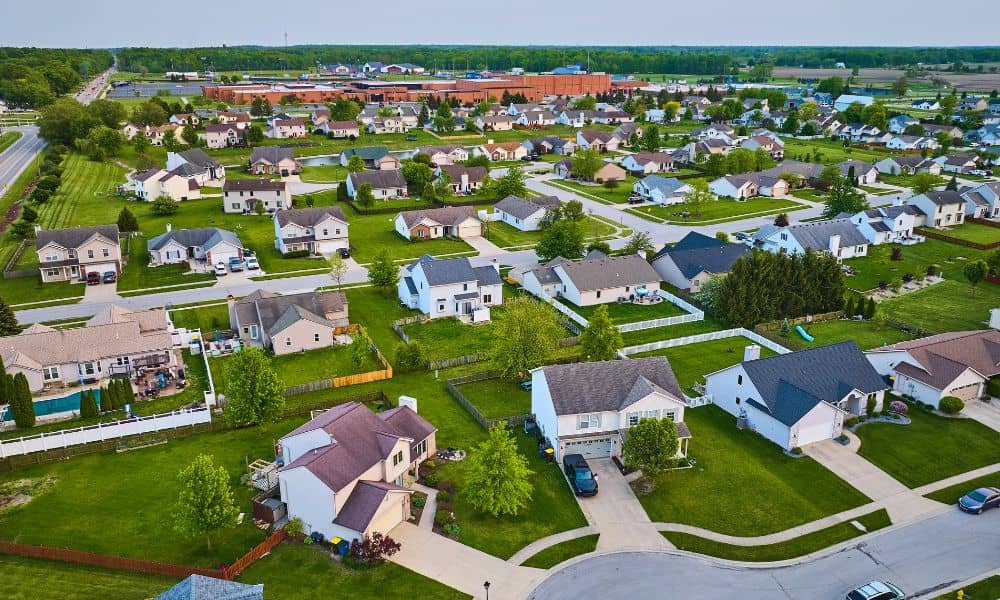
Instead of looking at a black-and-white line drawing, you can literally see your property from above. Drone surveying combines high-resolution imagery with professional survey control points, producing clear aerial visuals of your land, improvements, and boundaries.
When there’s a fence or structure in question, drone surveying gives everyone the same perspective—buyer, seller, and neighbor alike. These images help calm arguments and make decisions based on facts, not guesses.
4. A buyer’s story: when a drone saved the sale
Picture a Minneapolis couple preparing to close on their first home. Their new survey shows the neighbor’s retaining wall sits about a foot over the line. Tension rises fast—no one wants to move a wall or start a lawsuit.
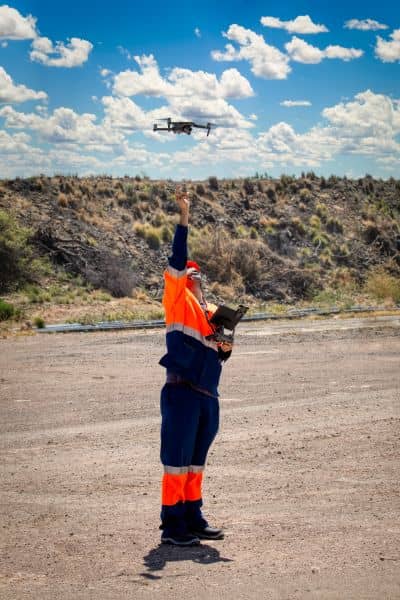
The surveyor suggests using drone surveying to capture the situation from above. Within a day, detailed imagery shows the overlap clearly, along with the exact extent of the encroachment. Both parties meet, review the visuals, and sign an encroachment agreement acknowledging the issue but allowing the wall to remain in place.
The deal moves forward. The buyers get peace of mind, the lender is satisfied, and everyone avoids a costly legal fight. One small drone flight changed everything.
5. What homebuyers can do to stay ahead
If you’re buying or owning property, you don’t need to wait for bad news. Here’s how to stay proactive—without the stress of a checklist.
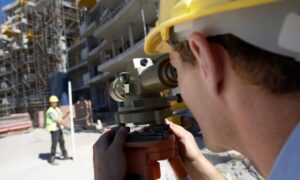
Start with a licensed surveyor. Always order a professional land survey before closing or construction.
Ask about drone imagery. Some firms now include aerial photos or 3D models with their survey packages. Seeing your property from above helps you understand where your lines really fall.
Don’t rely on county maps or old plats. Those are for reference only and can’t confirm legal boundaries.
Document everything. Keep copies of your survey, plats, and drone images. If a dispute ever comes up, clear records can resolve it fast.
Act early. It’s far easier to negotiate adjustments before you close than to fight a boundary issue afterward.
6. When to call a professional surveyor
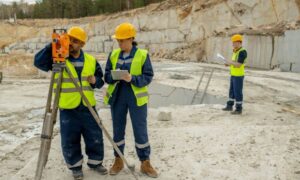
Even with advanced tools, only a licensed land surveyor can legally define your boundary. Drone surveying supports their work by capturing visual context, but it doesn’t replace expertise.
Call a surveyor if:
- You’re planning to buy, sell, or refinance.
- You’re installing a new fence or addition.
- You’ve spotted signs of overlap, like a driveway edge or shed too close to the line.
- Your property hasn’t been surveyed in over a decade.
A surveyor can confirm boundaries, prepare documentation for lenders, and—if needed—bring in drone surveying to show the site clearly.
7. Turning panic into prevention
These Reddit stories might sound stressful, but they’re also wake-up calls. They remind us that property lines matter—and that modern technology makes understanding them easier than ever.
Drone surveying gives buyers, sellers, and property owners a shared view of reality. Instead of relying on assumptions or decades-old sketches, you can see exactly what’s happening on your land. It’s a simple step that protects your investment and your sanity.
8. Final thoughts: clarity from above
Owning property should feel exciting, not overwhelming. But when boundaries blur, emotions run high. Drone surveying helps bring those boundaries—and your peace of mind—back into focus.
If you’re in Minneapolis or anywhere nearby, consider adding drone surveying to your next property survey. It’s fast, reliable, and gives you the kind of proof no argument can undo.
Don’t let your story become the next viral “encroachment panic” post. See your land clearly—before it surprises you.