
You’re thinking about building, selling, or just getting a better sense of your property. Then someone mentions you need a lot survey, and you immediately worry about the cost.
The thing is, many homeowners don’t realize there might already be a lot survey on record for your property. Before ordering a lot survey, it makes sense to take a moment and see what’s already out there. Often, a little digging can save you time, money, and a lot of guesswork.
What an Old Lot Survey Really Means
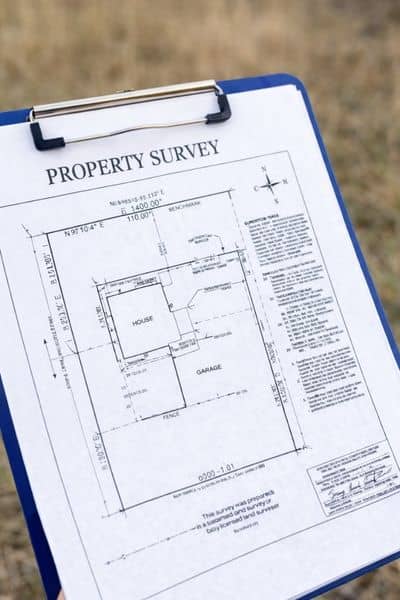
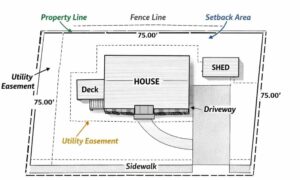
Before you start searching, it helps to know what a lot survey really is. It’s not just a map you find online—it’s an official document created by a licensed surveyor. It shows where your property lines are, the size of your lot, and any key features that matter. Seeing one can help you naturally understand what a lot survey shows without guessing.
Sure, you can find boundary lines on websites or maps, but those are usually just rough estimates. They give you a sense of the property, but they aren’t reliable if you’re planning to build, sell, or make changes. That’s why having a proper survey in hand gives you the real picture of your land.
Why It’s Worth Looking Before You Pay
At first, it may seem easier to just order a new survey. However, older properties often already have one. Many surveys were created years ago during home sales or building work.
Because of that, your property might already have a lot survey stored somewhere in local records.
So instead of starting from zero, you can check first. Even if the survey is not perfect for today, it can still give you a strong starting point.
Where Minneapolis Homeowners Usually Find a Lot Survey
If you know where to look, the process becomes much easier. Many people start with Hennepin County records. This is where a lot of property information lives. By searching your address or parcel number, you might find records tied to your property.
At the same time, the City of Minneapolis keeps permit records. Whenever a homeowner builds something like a garage or an addition, a lot survey is often part of that process. Because of that, past improvements can lead you to an existing survey.
Meanwhile, your own paperwork may already hold the answer. Closing documents from when you bought your home sometimes include a lot survey. Yet many homeowners forget about this because those papers get stored away and never checked again.
In some cases, local surveying companies also keep records. If your home is in an older neighborhood, the same company may have worked on several nearby properties. So reaching out to them can sometimes lead to a copy of your survey.
How to Know If the Survey Matches Your Property
Finding a survey feels like a win. However, you still need to check if it truly matches your property today.
Start by looking at the details. The address, legal description, and lot number should all match exactly. If they don’t, the survey may not belong to your property.
Next, think about changes. Over time, properties can shift in small but important ways. For example, a lot might have been divided, combined, or updated. Because of that, an old lot survey might not reflect what exists now.
So even though the document looks right, it still needs to match your current property.
When an Old Lot Survey Still Helps
In some cases, an older survey still works well. This often happens when the property has not changed much over time. If no major structures were added and the layout stayed the same, the survey can still give useful information.
For example, it can help you understand your lot shape, size, and layout. It may also give a general idea of where your boundaries sit.
Even so, “helpful” does not always mean “ready for official use.” That’s an important difference to keep in mind.
Why Some Old Lot Surveys Can’t Be Used
Although finding a survey is helpful, it does not always solve the problem. Sometimes the document is simply too old or no longer accurate.
Over time, markers can move or disappear. Land can change. New features may get added. Because of that, an old lot survey may not reflect current conditions.
Also, certain situations call for updated information. Buyers, lenders, or city offices may want a recent survey. So even if you have an older one, it may not meet their needs.
That’s why checking the condition and relevance of the survey matters just as much as finding it.
What Happens If You Can’t Find One
Sometimes, even after checking everywhere, no survey turns up. When that happens, the next step becomes clear.
You will need a licensed land surveyor to create a new lot survey. While this does cost money, it gives you accurate and up-to-date information.
More importantly, it helps you move forward with confidence. Whether you are building, selling, or planning, having a reliable survey makes everything easier.
A Smarter Way to Approach a Lot Survey
Instead of rushing to order a new survey, it helps to take a step back. Start by checking what already exists. Then look at whether it still fits your property today.
If it does, you may save time and money. However, if it doesn’t, at least you’ll know you are making the right choice by getting a new one.
In the end, a lot survey is about clarity. It helps you understand your land and avoid confusion later. So taking the time to check first is always a smart move.
Final Thoughts
Finding an old lot survey is not as hard as it sounds. With the right approach, you can uncover useful records that many homeowners overlook.
At the same time, not every survey will work for today’s needs. That’s why it’s important to review what you find and decide what makes sense next.
So before you spend money on a new survey, take a moment to search. You might already have exactly what you need—or at least a solid place to start.