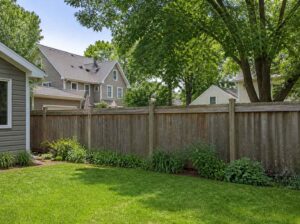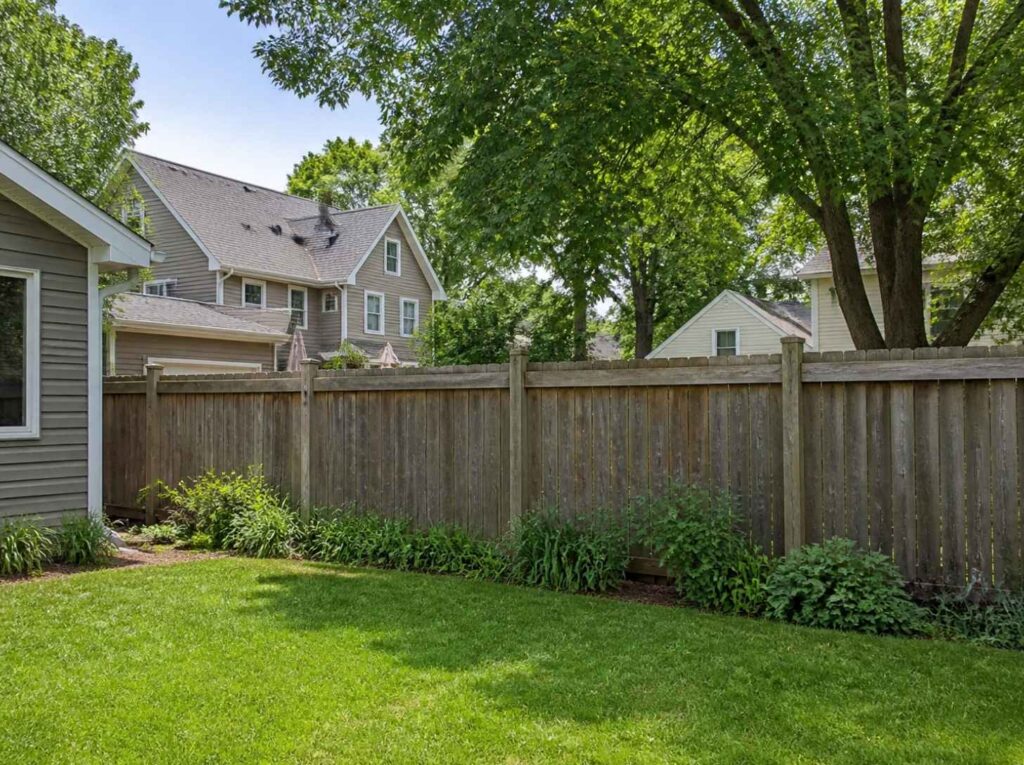
The fence crew is ready to dig, and they have one question about where your yard ends. You walk to the back corner looking for the old iron pin, but it’s gone. Maybe it was pulled during landscaping, buried under sod, or bent by a snowplow years ago.
Guessing at that point can cost you. A fence built a foot onto your neighbor’s land may have to come down, and the dispute can drag on for months. A property survey gives you a clear, defensible line before the first post goes in, so the safest move is to schedule one before you sign the fence contract.
Property Survey for Fence Work When Boundary Markers Are Missing
Missing markers are common, especially on older lots. Corner pins get pulled out during construction, buried by grading, or covered by driveways and patios. A metal detector might find some of them, but finding a piece of metal doesn’t prove it’s the right corner.
A licensed surveyor rebuilds your boundary from records and field evidence. They search for existing monuments, measure what they find, and compare it to the recorded lot dimensions. When the numbers and the evidence agree, they can mark your lines with confidence.
This work goes well beyond a fence company’s estimate or a line on a county map. Online parcel maps are fine for a rough idea, but they aren’t built for exact placement. Many can be off by several feet, which is more than enough to cause trouble.
Clues From Historical Deeds, Subdivision Plats, and Neighboring Surveys
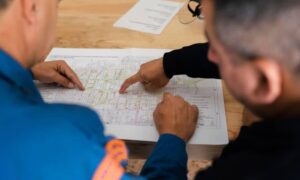
Before heading to your yard, the surveyor gathers records. Your deed describes the lot, and the subdivision plat shows how the block was laid out when it was first divided. These documents provide the starting dimensions for every line.
Neighboring surveys can be just as helpful. If the house next door was surveyed a few years ago, that drawing may show which pins were found and where. Some counties keep copies of past surveys, though what’s available can vary by area.
You can speed things up by sharing what you have. Look for an old survey in your closing papers, a plat from your title policy, or notes from a past fence or garage project. Even a rough sketch with measurements can point the surveyor in the right direction.
The Risks of Relying on Existing Fences as Boundary Evidence
An old fence is one of the most common reasons people put a new fence in the wrong place. Many homeowners assume it sits right on the line. Fences are often a few inches or even a few feet off, sometimes on purpose to avoid a neighbor’s tree or garage.
Older fences may also have been built by a past owner who never ordered a survey. If you replace one in the same spot, you could repeat someone else’s mistake. In some cases, a long-standing fence can even raise legal questions about who owns the strip of land beside it.
Those questions depend on state law and the facts of each case. A surveyor can show where the recorded line falls compared to the fence, but only an attorney can advise on ownership claims. If the survey shows a big gap between the two, talk with a lawyer before you build.
Boundary Corner Recovery and the Placement of New Survey Markers
The surveyor’s first goal is to find as many original corners as possible. Crews dig carefully, use metal detectors, and check measurements against nearby monuments on the block. A recovered original pin carries a lot of weight because it shows where the line was first set.
When a corner can’t be found, the surveyor uses other evidence to rebuild it. That might include pins on neighboring lots, street monuments, and recorded plat distances. Once the position is confirmed, they set a new marker, often an iron rod with a plastic cap stamped with their license number.
Rules for setting monuments and filing survey records can vary by state and county. Ask your surveyor what they’ll set, how they’ll mark the line for the fence crew, and whether you’ll receive a drawing. Protect the new markers once they’re in, since a mower or digging crew can knock them out fast.
Fence Placement Decisions After a Property Survey for Fence Work
With your lines marked, you can decide exactly where the fence will go. Many owners set the fence a few inches inside their own line. This leaves room for posts, footings, and future upkeep without crossing over.
A few more checks will help the project go smoothly. Each one takes little time compared to moving a finished fence. Before posts go in, confirm these items:
- City or HOA rules on fence height, location, and permits
- Easements that may limit building near utilities or drainage areas
- Utility locates through your state’s call-before-you-dig service
- Whether the crew understands the survey stakes and any offsets
Share the survey with your neighbor too. A quick talk before work starts can head off surprises. It also gives them a chance to raise concerns while changes are still easy.
Frequently Asked Questions
Can I find my property corners myself?
You can look for pins with a metal detector, and sometimes you’ll find one. The hard part is knowing whether it’s the right pin and still in its original spot. Pins get moved, bent, or replaced over time. A licensed surveyor can confirm what you found and mark the full line.
How long does a boundary survey for a fence take?
Timing depends on the lot, the records available, and the surveyor’s schedule. Spring and early summer are busy seasons, so waits can run longer. Field work on a typical residential lot often moves quickly once it’s on the calendar. Call early so the survey doesn’t hold up your fence installation.
Do I need a survey if my neighbor agrees on the line?
A friendly agreement helps, but it doesn’t change where the recorded line sits. Neighbors move, and future owners may see things differently. A survey gives you a record both sides can rely on. Some cities may also ask for proof of the line during permitting, though rules vary.
Will the surveyor mark the line for my fence installer?
Most surveyors set corner markers and can add stakes or flags along the line if you ask. Some offer offset stakes so the crew can dig without disturbing the corners. Tell the surveyor up front that the work is for a fence. That way, they can mark the line in a way your installer can use.
What if the survey shows my old fence is on my neighbor’s land?
Don’t tear anything out right away. Share the survey with your neighbor and talk through options calmly. Many cases end with moving the fence or signing a simple agreement. If the situation is complicated, a real estate attorney can explain your choices.