
Minnesota recently launched a new wildlife monitoring effort that uses aerial survey technology to track animal movement and habitat conditions across large areas of land. At first glance, this may sound like a project meant only for biologists. However, the tools and methods behind this work say a lot about how land measurement has changed—and why today’s survey data is far more accurate than many people realize.
For property owners, developers, and lenders, this matters. The same technology trusted for statewide decisions now plays a growing role in private land planning and real estate projects.
Why Minnesota Turned to Aerial Surveys
The state relies on wide-area data to understand how wildlife moves and where habitats change. To do that, agencies need fast, accurate, and repeatable measurements over thousands of acres. That is why the Minnesota Department of Natural Resources uses aerial methods instead of relying only on crews walking the ground.
An aerial survey allows teams to capture land features from above in a short time. It also reduces safety risks and limits disruption to sensitive areas. Most importantly, it delivers consistent data that planners can compare year after year.
This shift reflects a larger truth. When accuracy matters at scale, modern aerial data delivers results that ground-only methods cannot match on their own.
What an Aerial Survey Really Measures
Many people think an aerial survey only produces photos. In reality, it measures the land in several important ways.
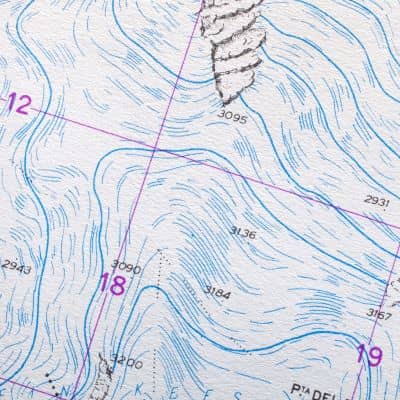
First, it captures elevation. Survey-grade aerial tools record how high or low the ground sits across a site. This helps identify slopes, low points, and natural drainage paths.
Next, it maps surface features. Trees, water bodies, roads, and structures all appear clearly. With the right sensors, surveyors can even see through tree cover to the ground below.
Finally, it creates precise digital models. These models allow surveyors and engineers to test ideas before work begins. Because of that, clients can spot risks early and avoid costly surprises later.
How Accuracy Improved in Recent Years
Aerial measurement has existed for decades. However, today’s accuracy stands on a different level.
Older aerial methods relied on visual estimates and limited control points. As a result, errors often stacked up over large areas. Today, surveyors combine aerial data with ground control and satellite correction. This process locks measurements into real-world coordinates.
Modern systems also collect millions of data points in a single flight. Because of that density, small changes in elevation become easy to spot. In addition, software now checks data quality at every step.
As a result, an aerial survey no longer gives “close enough” answers. When handled by licensed professionals, it delivers data that supports real decisions.
What This Means for Property Owners
If you own land, this shift should catch your attention.
Large parcels often include wooded areas, wetlands, or uneven terrain. Walking every acre takes time and money. An aerial survey covers the same area in hours, not weeks.
Because of that speed, owners gain early insight. You can see where water collects, how slopes affect access, and which areas may need special permits. This helps you plan improvements with fewer delays.
In addition, buyers often use aerial data during due diligence. Clear land information builds confidence and reduces deal friction. When questions arise, accurate maps provide answers fast.
Why Developers Rely on Aerial Data Early
Developers face tight timelines and rising costs. Every delay hurts the project.
An aerial survey supports early planning by showing the site as it truly exists. Engineers can test grading ideas, estimate earthwork, and flag drainage issues before design begins.
Because of that, teams avoid rework. Plans move through review faster since fewer surprises appear late in the process. In many cases, aerial data shortens the path from concept to construction.
For Minnesota sites with seasonal limits, this time savings matters even more.
Where Aerial Surveys Fit—and Where They Don’t
Although aerial tools offer strong benefits, they do not replace every type of survey.
Aerial survey works best for:
- Large or hard-to-access sites
- Early planning and feasibility
- Environmental and drainage review
However, boundary lines still require ground-based measurements. Legal corners, plats, and recorded boundaries demand physical verification by a licensed land surveyor.
Smart projects combine both methods. Aerial data guides decisions early, while traditional surveys lock in legal accuracy later.
Why State Use Signals Reliability
When state agencies choose a method, they do so carefully. Public decisions affect land use, funding, and long-term planning. Errors carry real consequences.
By trusting aerial survey methods, Minnesota confirms their reliability. The same technology that supports wildlife management also supports private land decisions when used correctly.
For clients, this connection builds confidence. If the data supports statewide planning, it can support your project too.
Choosing the Right Survey Team
Technology alone does not guarantee accuracy. Experience and process matter just as much.
When hiring a surveyor for aerial work, look for licensed oversight. Ask how the team verifies data and ties it to ground control. Local experience also matters, since Minnesota terrain brings unique challenges.
A professional approach turns raw data into usable insight. Without that expertise, even advanced tools fall short.
The Bigger Takeaway
Minnesota’s wildlife survey highlights a simple truth. Land measurement has evolved, and aerial survey technology now plays a central role.
For property owners and developers, this means clearer information, faster planning, and fewer surprises. When paired with professional oversight, aerial data supports confident decisions.
As land projects grow more complex, accuracy becomes non-negotiable. Modern aerial survey methods meet that demand—and Minnesota’s use of them proves it.