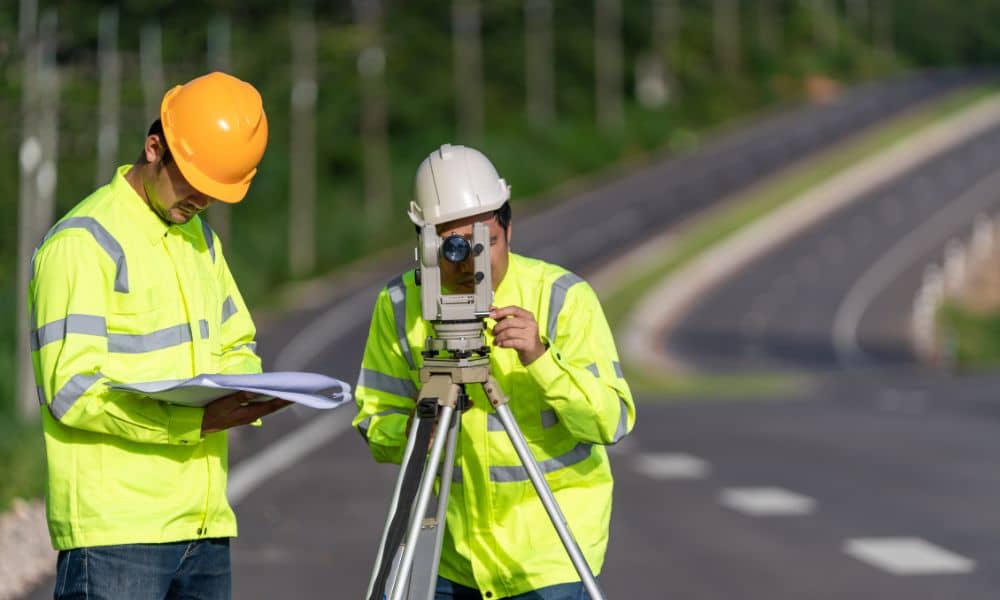
A recent tragedy in Minnesota shook many people in the construction and development world. A driver struck and killed a land surveyor who was working near a roadway. The news spread quickly across local outlets and social media. While the story felt heartbreaking, it also sparked an important conversation. Many people hire surveyors every year. However, most property owners never stop to think about the risks behind land surveying. They picture someone holding a tripod in an open field. In reality, survey crews often work inches from moving traffic, heavy machinery, and uneven ground. Because of this recent event, more people now ask serious questions about safety in land surveying.
And honestly, that conversation needs to happen.
The Hidden Side of Land Surveying
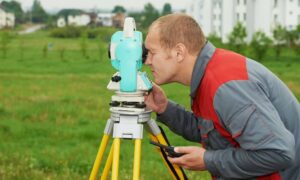
At first glance, land surveying may look simple. A crew measures property lines. They map elevations. They locate utilities. Then they move on to the next project. Yet behind every accurate boundary line sits hours of fieldwork.
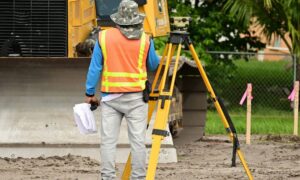
Surveyors often work along highways, busy city streets, and construction sites. In Minneapolis, crews frequently operate near redevelopment zones, road expansion projects, and tight urban lots. Drivers rush past them. Construction equipment moves around them. Snow piles block sightlines in winter. Early sunsets reduce visibility for months each year.
In other words, land surveying happens in active environments.
Because of that, danger can show up fast.
Why This Tragedy Feels Different
When accidents happen in construction, people usually expect some level of risk. However, many clients view surveying as low risk. That misunderstanding makes this tragedy more powerful. It reminds us that surveyors work on the front lines of development.
They mark boundaries before builders break ground. They locate utilities before crews dig. They verify elevations before concrete crews pour foundations. Every project begins with land surveying.
Therefore, when something goes wrong in that early phase, the entire community feels the impact.
This recent loss forced both professionals and property owners to pause. It made everyone look at safety with fresh eyes.
What This Means for Property Owners
You may wonder how this affects you as a homeowner, developer, or commercial property owner.
First, understand this: safety practices protect more than just the survey crew. They protect you too.
When a reputable land surveying firm works on your property, they follow strict safety standards. They train their crews. They carry insurance. They use protective gear. They plan traffic control when needed. All of these steps reduce risk and limit liability.
On the other hand, when someone cuts corners to offer a cheaper price, safety often becomes the first sacrifice. That choice can create major problems.
For example, if a survey crew fails to use proper traffic warning signs, drivers may not slow down. If a firm skips safety training, workers may not know how to react in dangerous conditions. As a result, accidents become more likely.
So while safety may seem like an internal issue, it directly connects to your project’s success.
How the Industry Is Responding
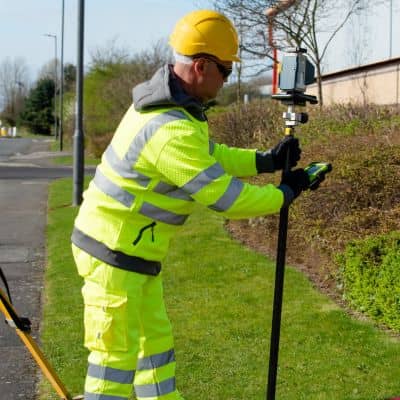
Since the tragedy, many professionals in land surveying have taken a closer look at their own field practices.
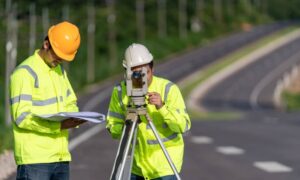
Some firms now increase visibility requirements. Crews wear high-visibility jackets and helmets at all times near roadways. Others schedule fieldwork during lower traffic hours whenever possible. In addition, more companies invest in technology that reduces time spent in dangerous areas.
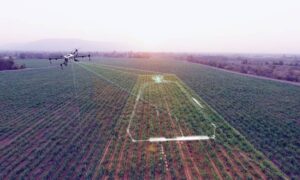
For example, robotic total stations allow one surveyor to control equipment remotely instead of standing in traffic. GPS systems improve accuracy and shorten field time. Drone mapping captures large areas without placing crews in risky positions.
Technology cannot remove all danger. Still, it can reduce exposure. That shift makes a real difference.
Moreover, many firms now hold regular safety briefings before field assignments. They review site conditions. They identify hazards. They plan entry and exit routes. These steps may seem small. However, they build a culture of awareness.
And culture matters.
Minneapolis Growth Increases the Pressure
Minneapolis continues to grow. New housing developments rise across the metro area. Commercial buildings fill former industrial lots. Infrastructure projects reshape roadways and utility corridors.
Because of this growth, demand for land surveying continues to climb.
With more projects comes more fieldwork. With more fieldwork comes more exposure to risk.
That reality does not mean development should slow down. Instead, it means safety must stay at the center of every project. Surveyors, contractors, engineers, and property owners must treat safety as a shared responsibility.
When everyone values safety, the entire system becomes stronger.
Questions Every Client Should Ask
After this tragedy, smart clients now ask better questions before hiring a land surveying firm.
You might ask:
- How do you handle roadside projects?
- What safety training do your crews complete?
- Do you use technology to reduce time in high-traffic areas?
- How do you protect both workers and the public?
These questions do not create tension. In fact, they show professionalism. Reputable firms welcome those conversations. They understand that safety builds trust.
Furthermore, clear communication often prevents misunderstandings later.
Respecting the People Behind the Property Lines
Every property boundary carries a story. A surveyor researched deeds. A crew set control points. Someone stood in the cold or heat to verify measurements. That work requires skill, patience, and focus.
Yet it also requires courage.
The recent Minnesota tragedy reminds us that land surveying involves real people facing real risks. It reminds us that behind every clean map or stamped survey lies hard fieldwork.
As Minneapolis continues to expand, the community must support the professionals who make development possible. That support starts with awareness. It grows through responsible hiring. And it strengthens through ongoing conversations about safety.
Land surveying forms the foundation of construction. Without it, projects stall. Disputes grow. Mistakes multiply. Therefore, protecting the people who perform this work protects the entire development process.
In the end, this tragedy changed more than headlines. It shifted perspective. It encouraged firms to improve practices. It pushed clients to think differently. Most importantly, it honored the value of human life within a technical profession.
Moving forward, the conversation around land surveying safety should not fade. Instead, it should guide how projects begin, how crews prepare, and how communities grow.
Because when safety leads the way, everyone benefits.