When property lines get questioned, opinions don’t solve the problem. Measurements do. Today, more neighbors argue about boundaries than ever before. A fence goes up. A driveway gets widened. A shed appears near the edge. Then suddenly, everyone feels certain — and no one agrees. That’s where a lot survey become essential. It gives clear, professional proof of where your property begins and ends. In high-dispute areas, that proof often decides the outcome. Instead of long arguments and guesswork, you get measured facts.
Why Property Disputes Are Becoming More Common
First, property values have increased in many areas. Because of that, every foot of land matters more to owners. People protect their space closely, and they question anything that looks off.
At the same time, more homeowners improve their lots. They build decks, fences, garages, and patios. However, many of those projects start without verified boundary checks. As a result, small placement errors create big conflicts.
Also, online parcel maps give people a false sense of accuracy. These maps look precise. However, most show approximate lines only. So when two neighbors check two different map sources, they often see two different boundaries.
Therefore, tension builds faster — even before a professional ever steps on site.
The Big Problem With “Common Sense” Boundary Proof
Many people rely on what seems obvious. Unfortunately, obvious does not mean correct. Several common boundary “proofs” fail during real disputes.
Old fences often sit off-line. Verbal neighbor agreements carry no legal weight. Builder stakes move. Tape measurements vary. Phone map apps round numbers. County parcel maps show estimates, not certified lines. Real estate sketches simplify details.
These tools help with rough planning. Still, they do not prove ownership limits. They lack record research, control points, and licensed certification.
In contrast, a lot survey follow a formal process. That process produces defensible results.
What Makes a Lot Survey Hold Up as Real Evidence
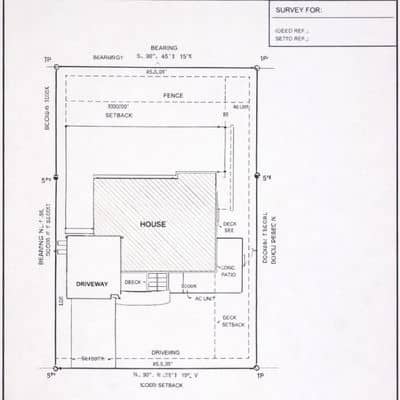
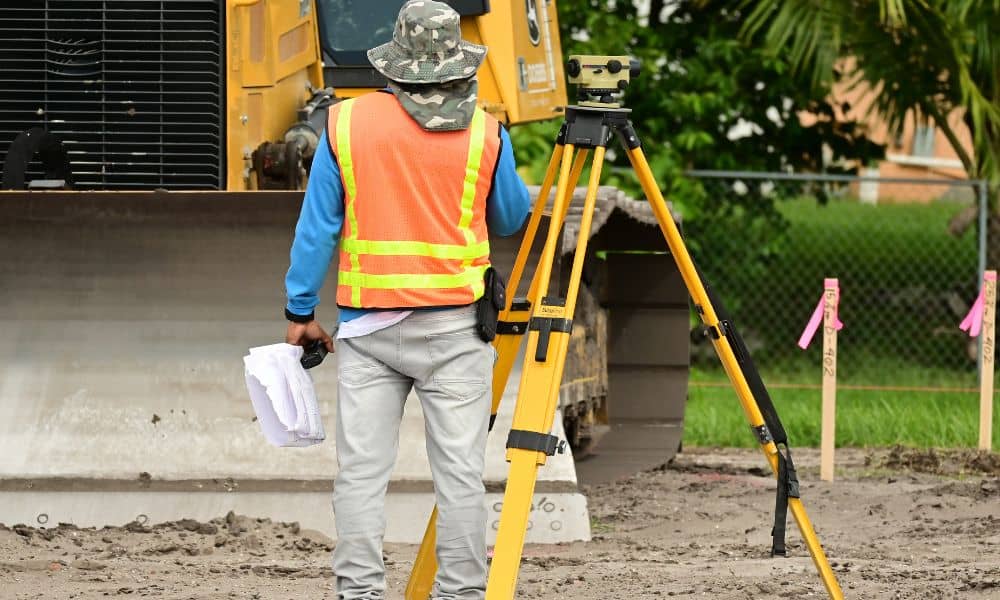
A lot survey uses records, math, and field measurement — not guesswork. A licensed land surveyor performs the work. First, they study deeds, plats, and prior surveys. Next, they measure the property using precision equipment. Then they locate or set boundary corners. After that, they calculate exact line positions.
Finally, they produce a signed and stamped drawing.
Because of this method, decision-makers trust a lot survey. Courts rely on it. Title companies accept it. Lenders request it. Permit offices use it. Engineers design from it. Attorneys argue with it.
In other words, when proof matters, a lot survey carry authority.
Real Situations Where Only a Lot Survey Solves the Fight
Most boundary conflicts follow familiar patterns. For example, fence disputes happen all the time. One owner replaced a fence in the “same spot.” Meanwhile, the neighbor insists it moved. Without measurement, neither side can prove anything. With a lot survey, the line becomes clear.
Additions create another common problem. A garage, deck, or patio gets built close to the edge. Later, someone questions the setback distance. Now permits and approvals enter the picture. At that point, only a lot survey confirm compliance.
Driveways also cause trouble. Owners widen them or adjust angles over time. Years pass. Then a property sale triggers questions. A lot survey quickly show the true alignment.
Closings create pressure too. Buyers and lenders want certainty. If boundary doubts appear, the deal can stall. Therefore, many title reviewers request a lot survey to clear the issue fast.
Why High-Dispute Areas Need Surveys Even More
Some neighborhoods produce more disputes by design. Dense areas leave little room for error. When homes sit close together, even small line mistakes create big impacts.
Older subdivisions also increase risk. Over time, corner markers get buried, damaged, or removed. Without visible monuments, people guess. Different guesses create conflict.
Rapid redevelopment zones add another layer. New builds push lot usage tighter. Builders maximize space. That leaves thin margins along boundaries.
Because of these factors, a lot survey act as preventive protection. It reduces risk before arguments begin.
When You Should Order a Lot Survey
Timing makes a major difference. Unfortunately, many owners wait until conflict starts. Instead, smart owners verify early.
Order a lot survey before installing a fence. Get one before building near a boundary. Use one before buying property. Also get one before selling if lines look unclear. Order one before major landscaping projects. Finally, request one when a neighbor questions a line or a permit office asks for proof.
Early clarity costs far less than late correction.
What a Good Lot Survey Should Include
A proper lot survey should show clear boundary lines and measured distances. It should identify or set corner markers. It should show improvements near edges, such as fences or structures. It should also note any visible encroachments.
Most importantly, it should include a signed and stamped drawing from a licensed surveyor. That certification gives the document its weight.
Additionally, many surveyors mark corners in the field. That helps owners and contractors see limits clearly during work.
Why Digital Maps and AI Tools Still Can’t Replace a Lot Survey
Today, many people trust digital tools first. That makes sense for quick checks. However, automated systems do not verify corners in the field. They do not resolve record conflicts. They do not certify results.
Even advanced mapping platforms rely on layered data. They do not perform boundary reconstruction.
So while technology supports planning, only a lot survey prove the line location.
The Bottom Line: Proof Wins, Opinions Don’t
Boundary disputes grow when facts stay unclear. Each side feels confident. Each side believes their version. Yet belief does not equal proof.
A lot survey replace opinion with measurement. It replaces arguments with certified evidence. It gives everyone the same reference point.
Therefore, in high-dispute areas, a lot survey becomes the only evidence that truly holds up. If your property sits in a tight neighborhood or active development zone, don’t wait for conflict. Get clarity first — and protect what you own.