
Last week, satellite storm maps went viral. Millions of people shared dramatic images of swirling snow bands, heavy cloud cover, and lightning flashing inside winter storms. News outlets showed real-time views from space as blizzards rolled across the country. For most people, those maps felt exciting and dramatic. However, for professionals in survey mapping, those images told a different story.
They showed how fast the ground conditions can change — and why mapping can no longer stay static.
In Minneapolis, where winter shapes the land for months at a time, that lesson matters.
Storm Maps Show One Big Truth: Land Is Always Changing
When you look at a viral satellite storm image, you see movement. You see snow cover spreading across cities. You see visibility drop. You see weather systems reshape the landscape in hours.
Now think about your property.
Snow buries curbs. Ice fills low spots. Drainage paths shift. Surfaces that looked flat in October may look very different in February.
That is why modern survey mapping cannot rely on “old data.” Even if the land itself does not move dramatically, surface conditions do. And those changes affect development, construction, drainage planning, and property decisions.
In Minneapolis, freeze-thaw cycles repeat all winter. Ice melts during the day, refreezes at night, and slowly changes how water flows. Over time, small changes create real impacts.
Why Minneapolis Makes Survey Mapping More Complex
Minneapolis does not experience mild winters. Instead, it sees heavy snow, deep frost, and sudden temperature swings. Because of that, mapping here requires more awareness than mapping in warmer climates.
For example, snow cover hides key site features. Manholes disappear. Curbs vanish. Small grade breaks become invisible. As a result, aerial imagery may look smooth and clean — but it may not reflect the true ground surface.
Additionally, frozen ground can distort elevation readings. While the soil below may stay stable, surface layers can expand or shift. That means a property owner who relies on old survey data may face surprises when spring arrives.
Therefore, accurate and updated survey mapping plays a critical role in protecting projects.
What Viral Satellite Images Teach Property Owners
At first glance, storm maps seem like weather tools. However, they also reveal how powerful real-time data can be.
Satellite imagery updates constantly. It shows snow accumulation, temperature shifts, and movement patterns in real time. That same mindset now shapes the future of survey mapping.
Instead of relying only on static boundary lines, modern mapping blends satellite review, drone imagery, and ground measurements. Together, those tools create a clearer picture of current site conditions.
For property owners, that shift means fewer surprises.
If you plan to build in spring, you should not assume your fall mapping still reflects reality. If you experienced heavy snowfall or rapid melt, drainage paths may have shifted. If ice buildup changes slopes or surface flow, your grading design may need review.
Storm maps remind us that land does not pause just because construction plans sit on a desk.
How Real-Time Thinking Changes Survey Mapping
Traditional survey mapping focused on marking property boundaries and elevations. Those tasks still matter. However, today’s projects demand more.
Now, mapping supports:
- Site development planning
- Drainage analysis
- Stormwater design
- Insurance documentation
- Infrastructure checks
Because of that, survey mapping teams must think ahead. Before crews even step on site, professionals review satellite data and weather patterns. They check recent snow totals. They study melt cycles. They evaluate access routes.
Consequently, field visits become more efficient and more accurate.
In winter cities like Minneapolis, that preparation makes a major difference.
The Hidden Risk of Ignoring Seasonal Changes
Many property owners focus on permits and budgets. That makes sense. However, ignoring seasonal surface changes can create unexpected costs later.
For example, a developer may begin grading based on fall data. Then spring thaw reveals water pooling in areas that looked stable before. Suddenly, redesign becomes necessary. Equipment returns. Timelines stretch.
On the other hand, updated survey mapping after major winter events can reduce that risk.
Even small adjustments in slope or surface conditions can influence how water flows. Over time, water causes more damage than almost any other force in Minnesota.
Therefore, clear and current data protects your investment.
Survey Mapping Is No Longer Just About Lines on Paper
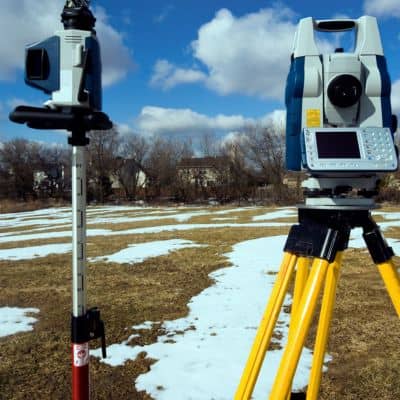
Viral satellite storm maps feel dramatic because they show movement and change. In the same way, survey mapping now focuses on understanding how land behaves, not just where boundaries sit.
Modern tools allow survey teams to combine:
- Ground measurements
- Drone imagery
- Elevation modeling
- Weather awareness
Together, these tools create smarter site analysis.
Moreover, clients benefit from clearer communication. Instead of technical drawings filled with symbols, property owners receive visual models and updated terrain views. That helps everyone understand the site before construction begins.
In fast-changing environments like Minneapolis, that clarity builds confidence.
What This Means for Your Project
If you own property, plan to build, or manage development, you should ask one key question:
When was the last time your site conditions were verified?
If your data predates a major storm cycle, it may not reflect today’s reality. Snow accumulation, thaw, and water movement may have altered small but important details.
While the land itself may not have shifted dramatically, surface conditions often change enough to affect drainage, grading, and design decisions.
Updated survey mapping provides peace of mind. It confirms assumptions. It prevents costly redesign. And it supports smoother permit approvals.
The Future of Survey Mapping in Minneapolis
Viral satellite maps captured public attention because they showed weather in motion. However, they also revealed a deeper truth.
Data moves fast. Conditions change quickly. And the best decisions rely on current information.
In Minneapolis, where winter reshapes the surface for months each year, survey mapping must adapt. It must consider real-time conditions, seasonal impacts, and environmental changes.
As a result, the future of survey mapping will focus less on static measurements and more on active site awareness.
For property owners and developers, that shift offers real value. You gain clearer insight. You reduce uncertainty. And you protect your project before problems begin.
Storm maps may trend on social media for a few days. Yet their message lasts much longer:
Land is always changing.
Smart survey mapping changes with it.