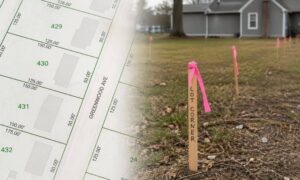
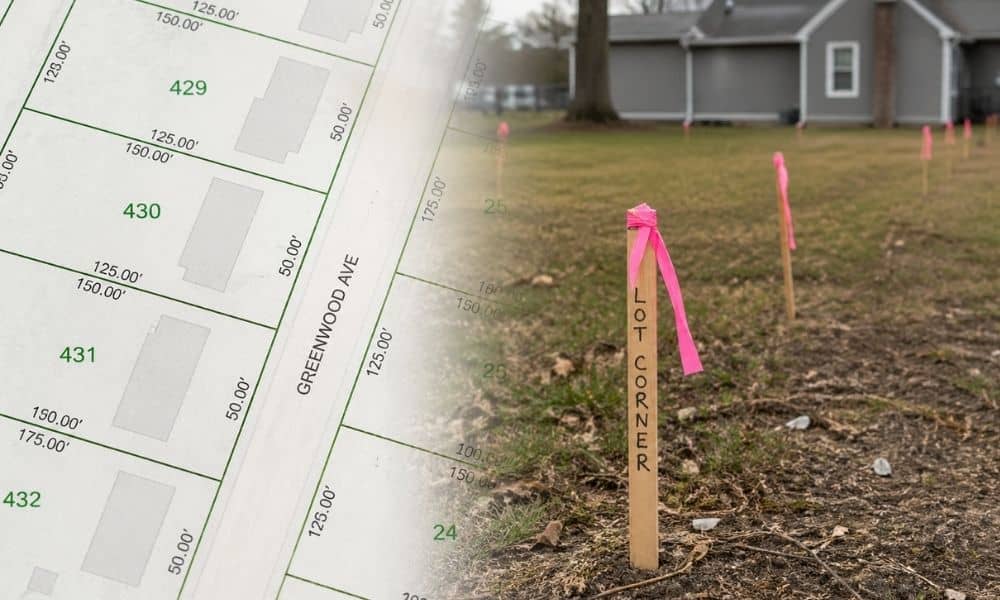
You pull up a property map online. The lines look clean. The shape makes sense. You zoom in, zoom out, and think, “Okay, this looks right.”
That moment feels solid. It feels like you understand the property.
But those lines on your screen are not proof. They are only a rough guide.
In Minneapolis, many property owners rely on online maps before they build, plan, or review land. That habit leads to wrong calls. A licensed land surveyor in Minneapolis exists for one reason: to confirm what is real on the ground, not what looks right on a screen.
What Online Property Maps Really Show
Online maps help you get a general idea of a property. That’s their job.
You’ll see:
- Property shapes
- Lot sizes
- Nearby streets and structures
That works fine for basic viewing. It helps you picture the space.
But those maps pull data from old records, scaled drawings, and system overlays. They do not measure land in real time. They do not check markers in the field.
So yes, they are useful. Still, they are not final.
Why the Lines Don’t Match Real Boundaries
A property line is not just a line on a map. It comes from legal records, past surveys, and field measurements.
Online maps skip that last part.
Here’s what causes problems:
- Old data stays in the system
- Some records don’t update for years
- Shapes get stretched or compressed on screen
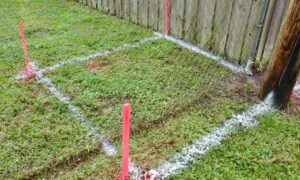
- Markers on the ground may have moved or gone missing
So the line you see online may sit a few feet off. Sometimes more.
That gap may sound small. It is not small when you’re making a real decision.
Why This Happens Often in Minneapolis
Minneapolis has a mix of older homes and newer builds. Many neighborhoods have long property histories.
Over time:
- Lots get split or combined
- Streets shift
- Records change
But online systems don’t always catch up right away.
You may look at a clean digital line while the real boundary sits somewhere else. That mismatch creates confusion, and most people don’t notice it until later.
Where People Get It Wrong
The mistake is simple. People trust what they see on the screen.
You might look at a map before making plans. You might estimate how much space you have. You might even check the lot shape before calling a contractor. All of that feels normal. It feels safe.
But those decisions depend on real accuracy, and online maps don’t promise that.
So before you move forward, it helps to slow down and check your property lines, especially if your plans depend on getting it right.
This isn’t about disputes or problems with neighbors. It’s about starting with the right information.
Because once a decision is based on the wrong line, everything after that can go off track.
What a Licensed Land Surveyor Does That Maps Can’t
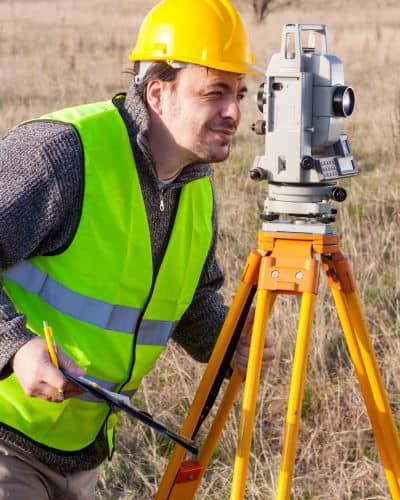
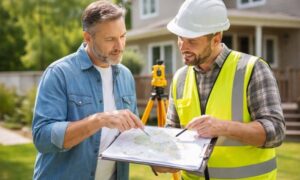
A licensed land surveyor in Minneapolis works from legal records and real-world measurements.
They don’t rely on visuals alone.
They:
- Study recorded documents tied to the property
- Measure distances on site
- Locate or re-establish property corners
- Confirm what is legally correct
This process takes time and skill. It also produces results you can trust.
Permits, planning, and official work rely on this level of accuracy. Online maps do not meet that standard.
The Difference Is Simple
Think of it this way:
An online map gives you a picture.
A survey gives you proof.
One helps you look at land. The other helps you act on it.
That difference matters when money, time, and plans are involved.
When You Should Call a Licensed Land Surveyor in Minneapolis
Some situations need more than a rough idea.
You should bring in a surveyor when:
- You are planning a project on your land
- You need clear data for permits
- You want to understand exact property limits
- You are reviewing land for future use
At that point, guessing is not worth the risk.
Clear answers save time. They also prevent changes later.
Why This Matters More Than People Think
Most problems don’t start big. They start small.
A few feet off. A line slightly wrong. A plan based on a guess.
Then time passes. Work begins. Costs grow.
Fixing those issues later takes more effort. It also costs more.
That’s why early accuracy matters.
Use Maps for Viewing, Not for Final Decisions
Online maps are easy to use. They load fast. They look sharp.
That’s why people trust them.
Still, they are only tools for viewing land, not confirming it.
If accuracy matters for your next step, working with a licensed land surveyor in Minneapolis can help you avoid mistakes and move forward with confidence.