
If you’re planning to build a fence, garage, or home addition, you’re probably wondering what a survey typically costs—and whether you even need one in the first place. At first, it might seem like something you can skip. After all, most homeowners look at online maps and assume they already know where their property lines are. However, those maps only give rough estimates. They don’t show the exact legal boundaries of your lot. Because of that, projects can run into problems before they even begin. A fence ends up in the wrong spot. A garage sits too close to the line. Or an addition goes beyond what’s allowed. These situations happen more often than you’d think, especially in older neighborhoods where lot lines aren’t always clear. So before you start building, it helps to understand where land survey cost fits into your project—and why it can actually save you money instead of adding to your expenses.
Why Knowing Your Property Lines Matters More Than You Think
Building on your property sounds simple. However, it becomes risky when you’re not fully sure where your lot ends.
For example, you might think your yard extends a few feet farther than it actually does. So you build a fence based on that assumption. Later, your neighbor points out that the fence crosses into their land. Now, instead of enjoying your project, you’re dealing with a dispute.
Situations like this happen all the time. In many cases, the issue doesn’t come from bad intent—it comes from small assumptions that go unchecked.
That’s where a survey really helps. It takes away the guesswork and clearly shows your exact property boundaries, so you can move forward without worrying about where you’re building.
What Happens in Minneapolis When You Skip a Survey
In Minneapolis, this issue becomes even more important. Many homes sit close together, and older properties may not have clear or updated records.
Because of that, small mistakes can turn into bigger problems. A fence that seems fine may not follow the true boundary. A garage may not meet setback rules. Even a small home addition can push into restricted space.
As a result, homeowners often face delays. Permits get held up. Contractors have to pause work. In some cases, people must remove or rebuild what they just paid for.
So while the land survey cost may seem like an extra step, skipping it can cost far more in the long run.
Where Land Survey Cost Shows Up in Real Projects
Most homeowners don’t think about surveys until something forces them to. However, certain projects almost always bring this issue to the surface.
Fences are the most common example. People often rely on old fence lines or visual guesses. But those don’t always match the legal boundary. So even a simple fence can create tension between neighbors.
Garages and accessory structures also raise concerns. In Minneapolis, many garages sit near alleys or close to lot edges. Because of that, even a small error can break city rules. That can lead to denied permits or costly changes.
Home additions bring even higher stakes. Expanding your home changes your footprint. So you need to know exactly how far you can build. Without a survey, you’re guessing—and guessing can get expensive.
What Affects Land Survey Cost
Now let’s talk about what you’ll actually pay. The land survey cost usually falls within a general range, but it can vary depending on your property.
Smaller, simple lots tend to cost less because they take less time to measure. On the other hand, larger or oddly shaped properties require more work.
Older neighborhoods can also increase the cost. Surveyors may need to dig through records or verify older data. That extra effort adds time.
Physical conditions matter as well. Trees, fences, and uneven ground can slow things down. Even seasonal factors like snow can play a role.
Finally, the type of survey affects pricing. A basic boundary survey costs less than a more detailed survey used for construction planning.
Because of all these factors, it’s best to think of land survey cost as flexible rather than fixed.
What You’re Really Paying For
When you hire a surveyor, you’re not just paying for measurements. You’re paying for certainty.
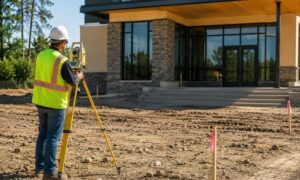
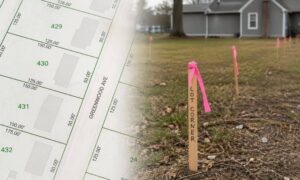
A licensed surveyor places physical markers in the ground to show your exact property corners. These markers act as your reference point for any future work.
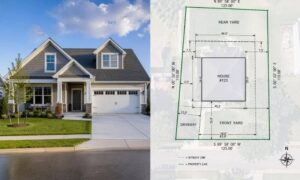
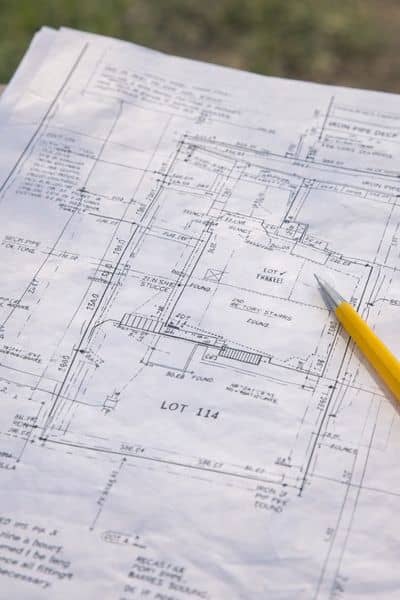
You also receive a detailed drawing that shows your boundaries and structures. Contractors and city officials rely on this information during planning and permitting.
So instead of guessing, you have clear, reliable data. That alone can prevent costly mistakes.
Why the Cheapest Option Can Cost You More
It’s easy to look at land survey cost and try to cut corners. However, this is one area where saving money upfront can lead to higher expenses later.
For instance, building without a survey may seem faster. But if something goes wrong, you may need to redo the work. That means paying twice.
In some cases, homeowners face legal disputes with neighbors. These situations can drag on and become stressful. They also cost far more than a survey ever would.
So instead of thinking of a survey as an extra cost, it helps to see it as protection for your entire project.
How to Move Forward the Right Way
If you’re planning to build in Minneapolis, timing matters just as much as cost.
The best time to order a survey is before you finalize your plans. That way, everything you design fits your actual property lines.
It also helps to work with a licensed surveyor who understands local conditions. Minneapolis has unique layouts, especially in older areas, so local experience makes a difference.
By taking this step early, you avoid delays, reduce risk, and keep your project moving smoothly.
Final Thoughts on Land Survey Cost
At the end of the day, land survey cost is not just another expense—it’s a smart investment in your project.
Whether you’re building a fence, garage, or home addition, knowing your exact property lines helps you avoid problems before they start.
It keeps your project on track. It protects your budget. And most importantly, it gives you peace of mind.
So before you build, take the time to get it right. A survey done early can save you from costly mistakes later.